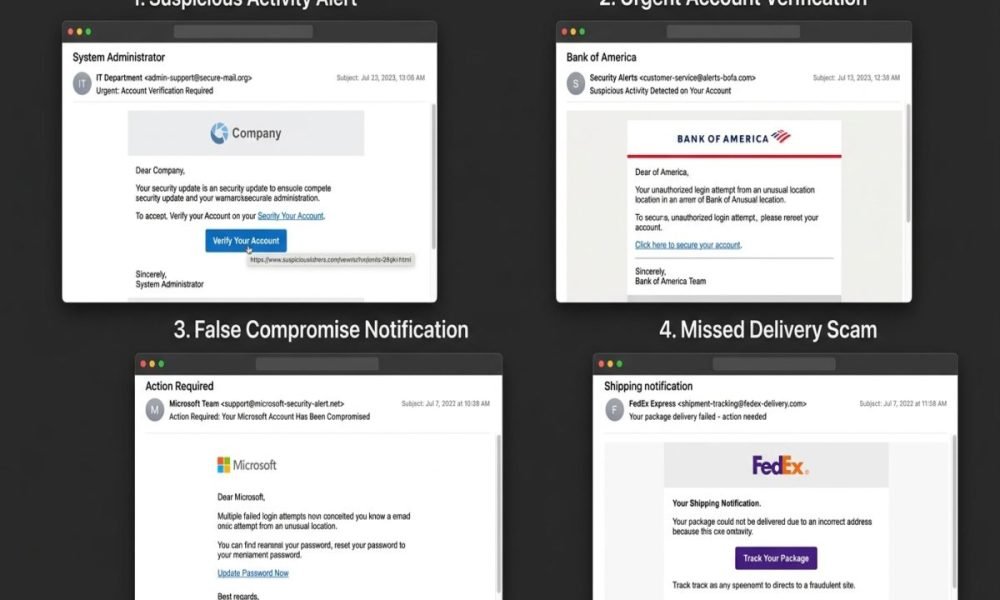

The Revolut Data Breach reported in September 2026 involved sensitive customer information being disclosed after an unauthorized party used fraudulent requests that appeared to come from a legitimate government email domain. Revolut has confirmed the incident and said it is investigating with relevant authorities, but the company has not publicly disclosed the number of affected customers.
For Revolut users, the key concern is not simply whether money was stolen. Exposed financial and identity information can make customers more attractive targets for phishing, impersonation, fraud, and account takeover attempts. This guide explains what happened, what information may have been exposed, the risks for users, and what practical steps customers should take. The incident is different from Revolut’s widely reported 2022 breach. Keeping these events separate is important because the affected information, attack method , and available details are not identical .
What Happened in the 2026 Revolut Breach?
According to reporting based on Revolut’s confirmation, an unauthorized third party submitted fraudulent requests for customer information while using an email account associated with a legitimate government agency domain. Revolut described the incident as a sophisticated external impersonation scam.
This is an important security lesson: an email appearing to originate from a trusted domain does not automatically prove that a request is legitimate. Attackers can exploit trusted communication channels, compromised accounts, or convincing impersonation techniques to persuade organizations to release sensitive information.
What Data May Have Been Exposed?
The currently reported 2026 incident may involve information connected to customers’ financial activity. Reported categories include:
- Account statements
- IBAN information
- Withdrawal records
- Transaction histories
- Cryptocurrency transaction information
- Other customer information requested through the fraudulent process
The significance of this data depends on the individual account and exactly what information was disclosed.
What Are the Main Risks for Revolut Users?
The biggest immediate concern is social engineering rather than assuming that every exposed account has been directly compromised.
Targeted Phishing
Attackers may use legitimate-looking information to create convincing messages. A scammer who knows that someone uses Revolut, for example, can create a message referring to a supposed transaction, security review, account restriction, or verification request. This can make Phishing Detection more difficult because the message may contain real-looking details.
Account Takeover Attempts
Exposed personal information can help attackers build more convincing account recovery or identity verification scams. Users should never assume that a message is legitimate simply because it contains accurate personal or transaction information.
Identity and Financial Fraud
Information about financial activity can potentially support impersonation and fraud attempts. The risk is particularly concerning when several pieces of information are combined across different sources.
Cryptocurrency Focused Scams
If transaction histories or cryptocurrency activity are exposed, attackers may create highly personalized investment or wallet-related scams. Users should be especially cautious about unexpected messages requesting transfers, wallet verification, recovery phrases, or authentication codes.
What Should Revolut Users Do Now?
Revolut advises customers to ignore links to login pages received through text or email and instead access the service through the official app or manually enter the legitimate web address. A scammer may know details about your account and still not be an authorized Revolut representative. Check recent transactions, withdrawals, transfers, and other account events for anything unfamiliar.
Never share passwords, verification codes, PINs, recovery information, or other authentication secrets with someone who contacts you unexpectedly. Data breaches often create opportunities for secondary attacks. A message saying “your account was affected by the Revolut breach” could itself be a phishing attempt.
2022 Revolut Breach vs. 2026 Incident
The current incident should not be confused with Revolut’s September 2022 cyberattack. In 2022, Revolut disclosed that approximately 50,150 customers worldwide were potentially affected. Information reported to Lithuania’s State Data Protection Inspectorate included names, addresses, email addresses, telephone numbers, partial payment card information, and account details. The regulator said preliminary information indicated that social engineering had been used to obtain access.

What This Means for AI Agent Security
The incident also provides a useful lesson for organizations deploying AI Agent Security controls. An AI Agent that reads emails, retrieves customer records, or communicates with external systems could potentially amplify a social engineering attack if it automatically trusts instructions or external data. Modern security guidance identifies prompt injection, excessive agency, data exposure, and over permissioned tools as important Agent Security Risks.
That is why Safe AI Agent Deployment should include independent authorization checks rather than relying on the AI model to decide whether a request is legitimate. OWASP recommends least privilege access, validation of external inputs, human approval for high-impact actions, monitoring, and strong controls around tool execution.
Cybersecurity Checklist for Revolut Users
Use this quick Cybersecurity Checklist after a suspected breach:
- Review recent account activity.
- Do not click unexpected Revolut links.
- Access Revolut through the official app.
- Never share passwords, PINs, or verification codes.
- Be cautious with urgent calls or messages.
- Verify suspicious requests through official support channels.
- Watch for unusual payment or cryptocurrency requests.
- Consider stronger unique passwords where applicable.
- Enable available security and notification features.
- Monitor for follow-up phishing or impersonation attempts.
What Organizations Can Learn From the Incident
The broader lesson is that cybersecurity controls must verify who is making a request, what information they are asking for , and whether they are actually authorized to receive it. Email domain trust alone should not be sufficient for sensitive disclosures. Organizations handling financial or personal information should use independent verification, strong identity controls, access logging, least privilege permissions, and escalation procedures for unusual requests.
This principle also applies to AI-powered workflows. Authorization should be enforced outside the model, while high impact actions should receive additional validation and, where appropriate, human approval. OWASP specifically recommends that critical authorization and privilege controls should not be delegated to an LLM.

Conclusion
The 2026 Revolut Data Breach demonstrates why financial information requires strong verification at every stage of the data access process. The incident is still developing, and the number of affected customers has not been publicly confirmed.
For users, the best response is vigilance: review account activity, avoid unexpected links, protect authentication information, and be skeptical of urgent requests. For security teams, the incident reinforces a broader principle that applies to both traditional systems and AI Agent Security: trusted-looking instructions must never automatically receive trusted access.
Frequently Asked Questions (FAQs)
Is Revolut currently experiencing a data breach?
Revolut confirmed a September 2026 security incident involving sensitive customer information disclosed after fraudulent requests were made using a legitimate government email domain. The full scope remains under investigation.
How many Revolut customers were affected?
Revolut has not publicly disclosed the number of customers affected by the 2026 incident. This should not be confused with the 2022 breach, which involved approximately 50,150 customers.
What information was exposed?
Reports indicate that account statements, IBANs, withdrawal records, and transaction histories, including Bitcoin transactions, may have been exposed in the 2026 incident.
Should Revolut users change their password?
Users should follow official Revolut security guidance and remain alert for suspicious activity. More importantly, never provide passwords, PINs, or verification codes to someone who contacts you unexpectedly.
Can a data breach lead to phishing?
Yes. Exposed information can make phishing messages more convincing because attackers may use legitimate-looking personal or financial details to create believable scenarios.
What is the biggest risk for users?
The immediate practical risk is targeted social engineering, including phishing, impersonation, and fraud attempts that use exposed information to appear legitimate.