Data security management helps organizations protect sensitive information from unauthorized access, data breaches, accidental loss, and cyberattacks. It combines security policies, access controls, encryption, monitoring, backups, and employee training to keep information confidential, accurate, and available when needed. For businesses, effective Data Security Management is not just an IT responsibility. It is an ongoing process...
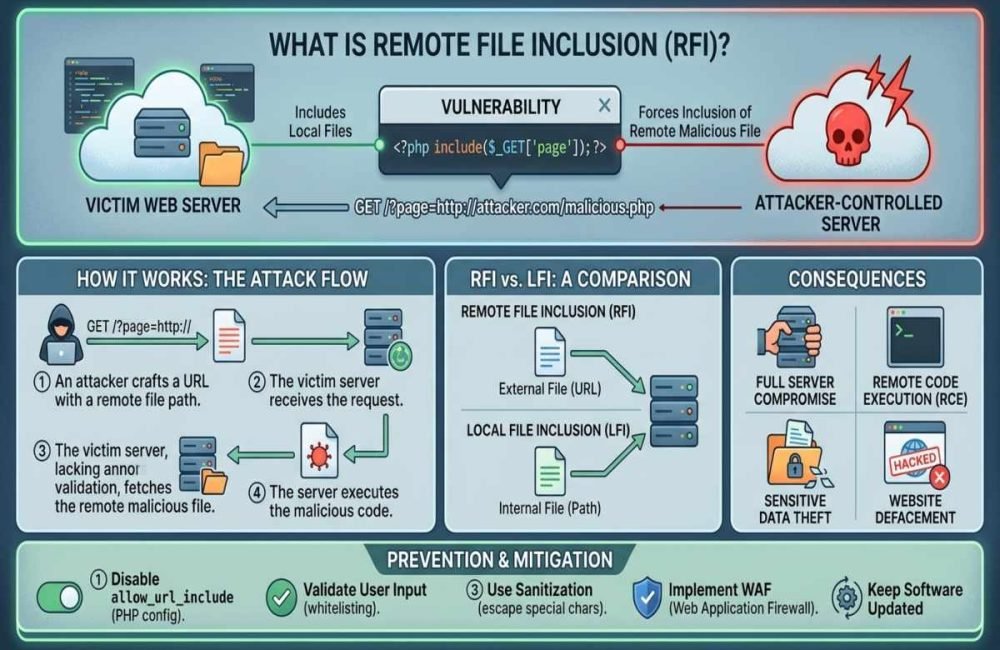
Remote File Inclusion (RFI) is a web application vulnerability that occurs when an application allows untrusted input to determine which external file it loads. If an application does not properly restrict these references, attackers may be able to load malicious content, expose sensitive information, or execute code under certain server configurations. Understanding Remote File Inclusion...
Meta has revealed new details about Prometheus, its gigawatt scale AI supercluster in New Albany, Ohio, designed to train advanced artificial intelligence models. In an October 19, 2026, engineering update, the company said the first phase is complete and outlined plans to scale the infrastructure toward approximately one million GPUs. The project highlights Meta’s growing...
Unexpected phone calls and text messages can expose Americans to fraud, identity theft, and account takeovers. Vishing scams use voice calls to manipulate victims, while smishing scams use fraudulent text messages to steal information or money. FBI advisories have documented impersonation campaigns involving malicious messages and AI-generated media, making independent verification an important security habit...
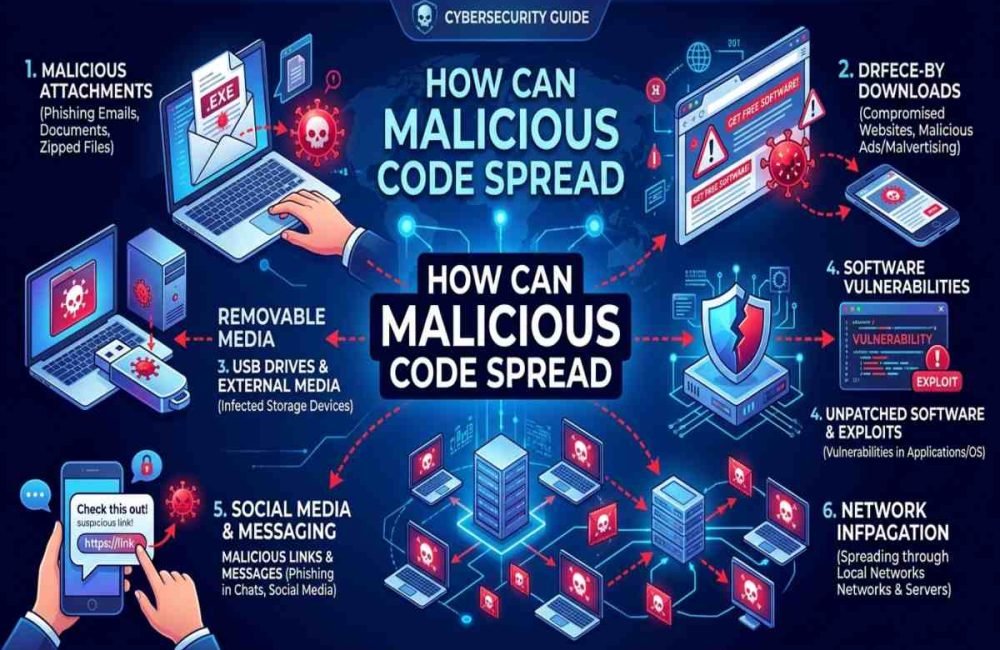
Malicious code spreads through phishing emails, infected downloads, compromised websites, removable devices, vulnerable software, and shared networks. It can also move between connected systems when attackers exploit weak security controls. Understanding how malicious code spreads helps individuals and organizations prevent malware infections, protect sensitive information, and reduce cybersecurity risks. This guide explains the most common...
Code Security is the practice of protecting software from vulnerabilities, unauthorized access, malicious activity, and data exposure throughout the development lifecycle. It includes secure coding, code reviews, dependency management, access controls, security testing, and continuous monitoring. The safest approach is to build security into every stage of development rather than checking for vulnerabilities only after...
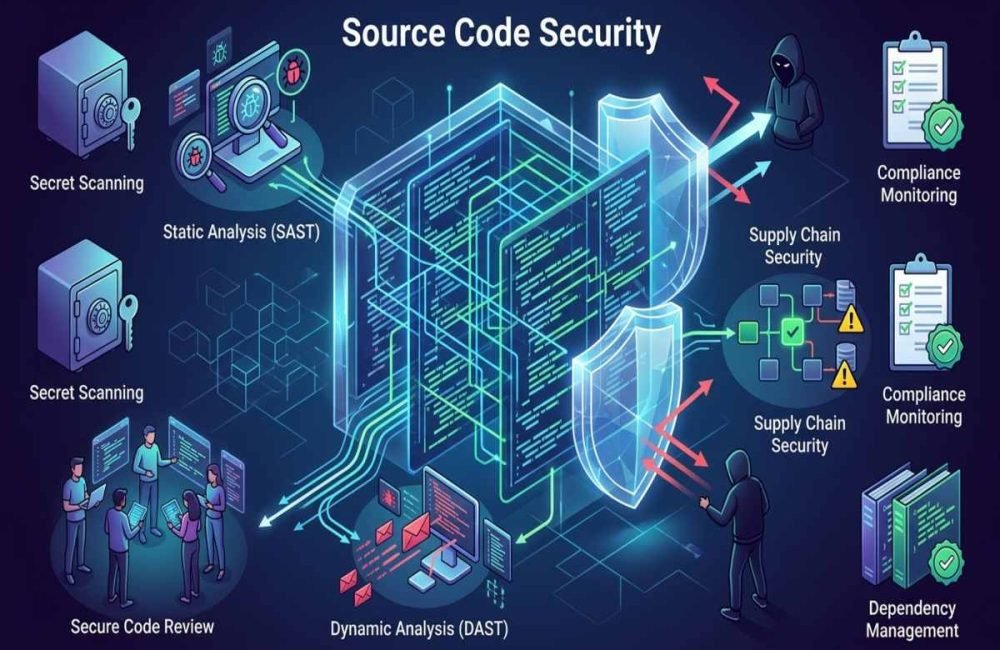
Source code security is the practice of protecting software code, repositories, development environments, and related assets from unauthorized access, modification, theft, and vulnerabilities. It helps organizations prevent attackers from introducing malicious code, stealing intellectual property, exposing credentials, or exploiting weaknesses before software reaches users. For modern businesses, source code security is more than protecting a...
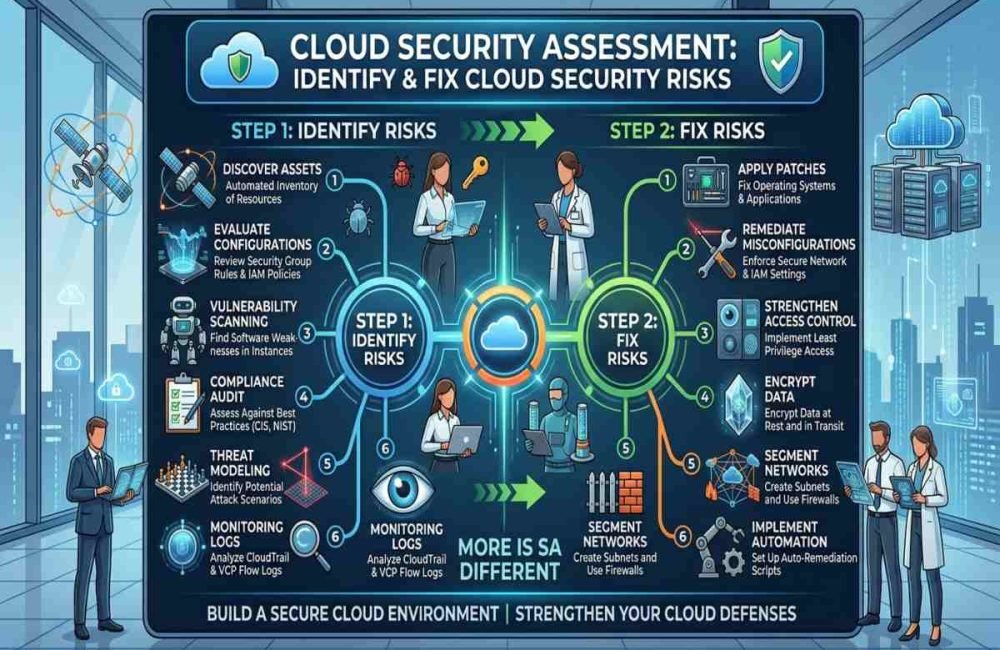
A Cloud Security Assessment is a structured review of an organization’s cloud infrastructure, applications, identities, configurations, and security controls. Its purpose is to identify weaknesses that could expose systems or sensitive data, determine the level of risk, and provide practical remediation steps. For organizations operating workloads on AWS, Microsoft Azure, Google Cloud, or hybrid environments,...
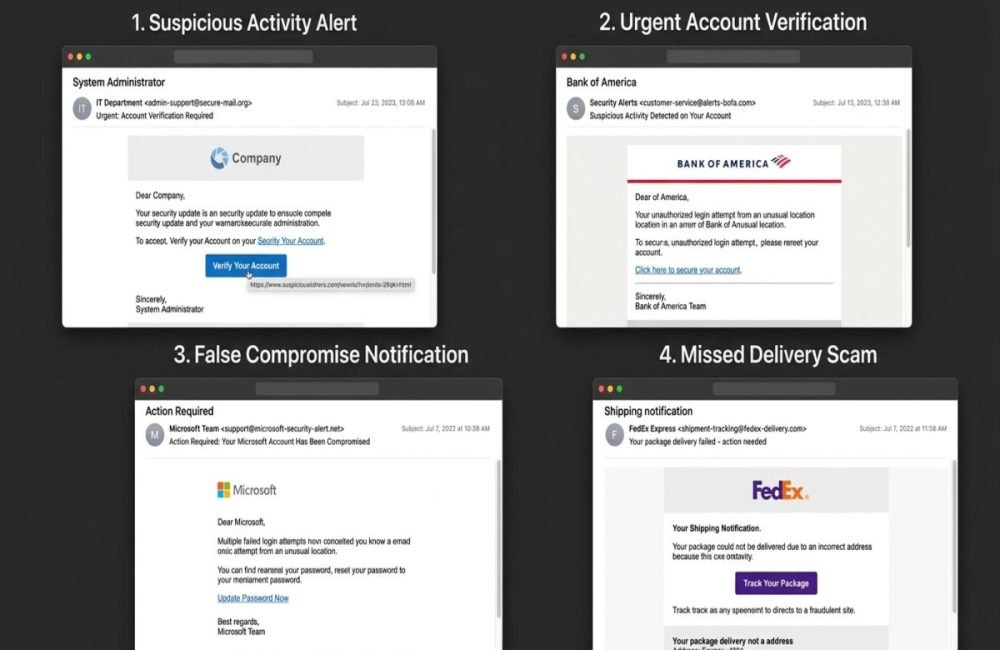
Phishing emails are deceptive messages designed to look legitimate while trying to make you reveal sensitive information, click a malicious link, open an unsafe attachment, or send money. Learning from realistic Phishing Email Examples can help you recognize suspicious messages before they become a security problem. This guide explains common phishing email patterns, the warning...
Cloud application security is the practice of protecting cloud hosted applications, APIs, data, identities, and connected services from unauthorized access, vulnerabilities, attacks, and data exposure. Effective protection requires security controls throughout the application lifecycle, from development and deployment to monitoring and incident response. For organizations using SaaS platforms, cloud native applications, containers, microservices, and public...

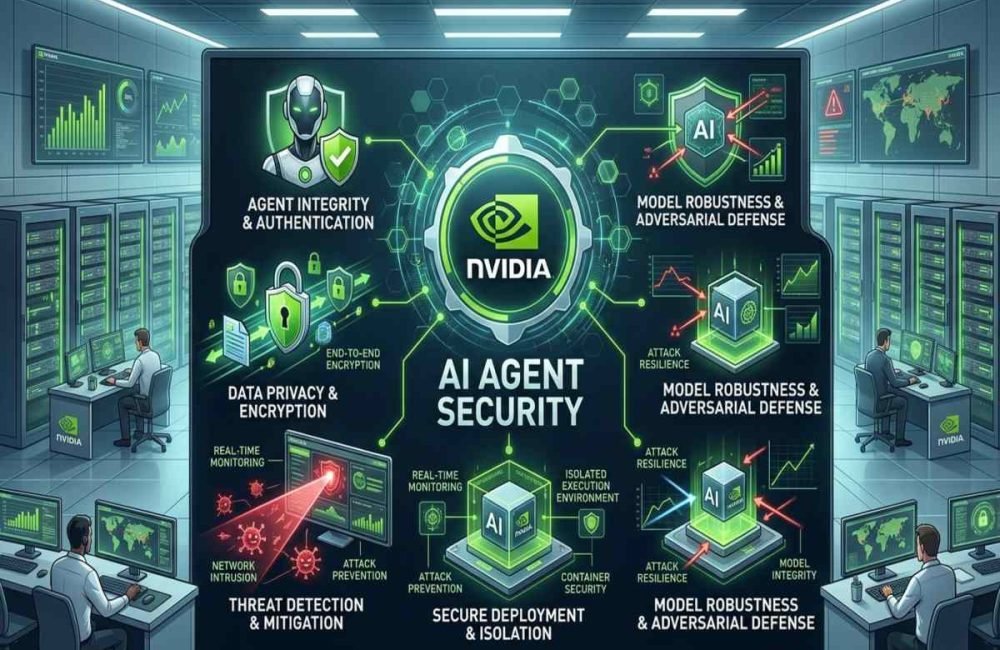
NVIDIA AI Agent Security has become a major focus as autonomous agents move beyond chat toward systems that can use tools, access files, execute code, and interact with enterprise infrastructure. On September 28, 2026, NVIDIA announced its Open Agent Safety Platform, combining OpenShell with the Sentry reference design to provide controls across software and hardware....
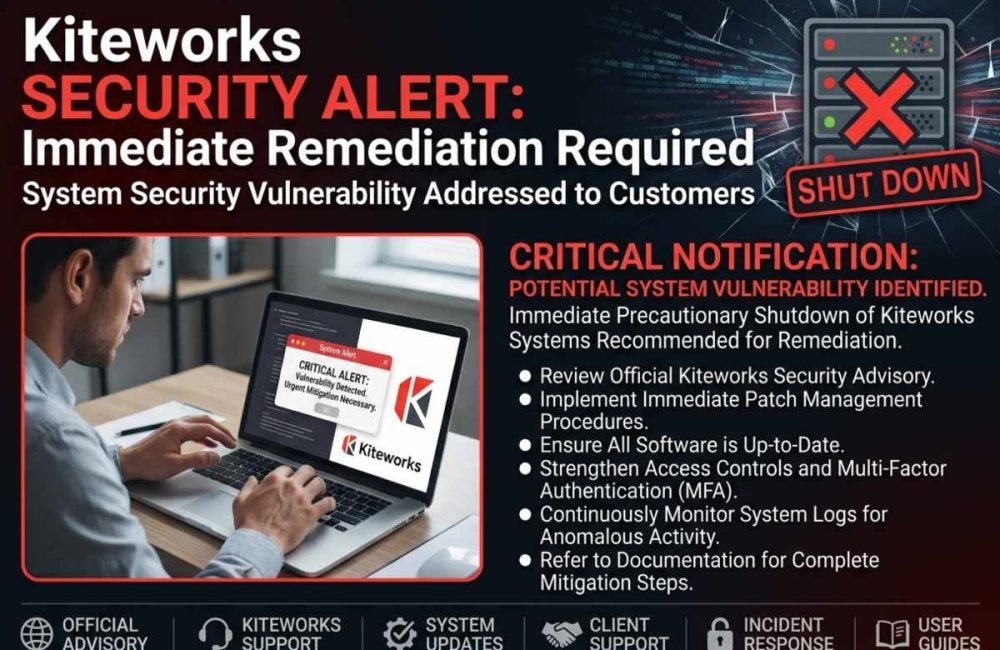
Kiteworks security alert issued a precautionary security alert urging customers who self-manage its systems to shut them down during a specified weekend window after receiving credible threat intelligence from federal intelligence authorities. Kiteworks says there is currently no indication that its systems or customer environments have been compromised, making this a preventative response rather than...