Quick Answer: Chinese Hackers Target AI Experts With Phishing Campaign — Cybersecurity researchers reported a targeted phishing campaign aimed at AI experts in the U.S. and Japan. Attackers reportedly used trusted identities and AI-related collaboration themes to trick victims into visiting credential-harvesting pages. The campaign highlights the growing importance of AI security, strong MFA, identity verification, and phishing awareness.
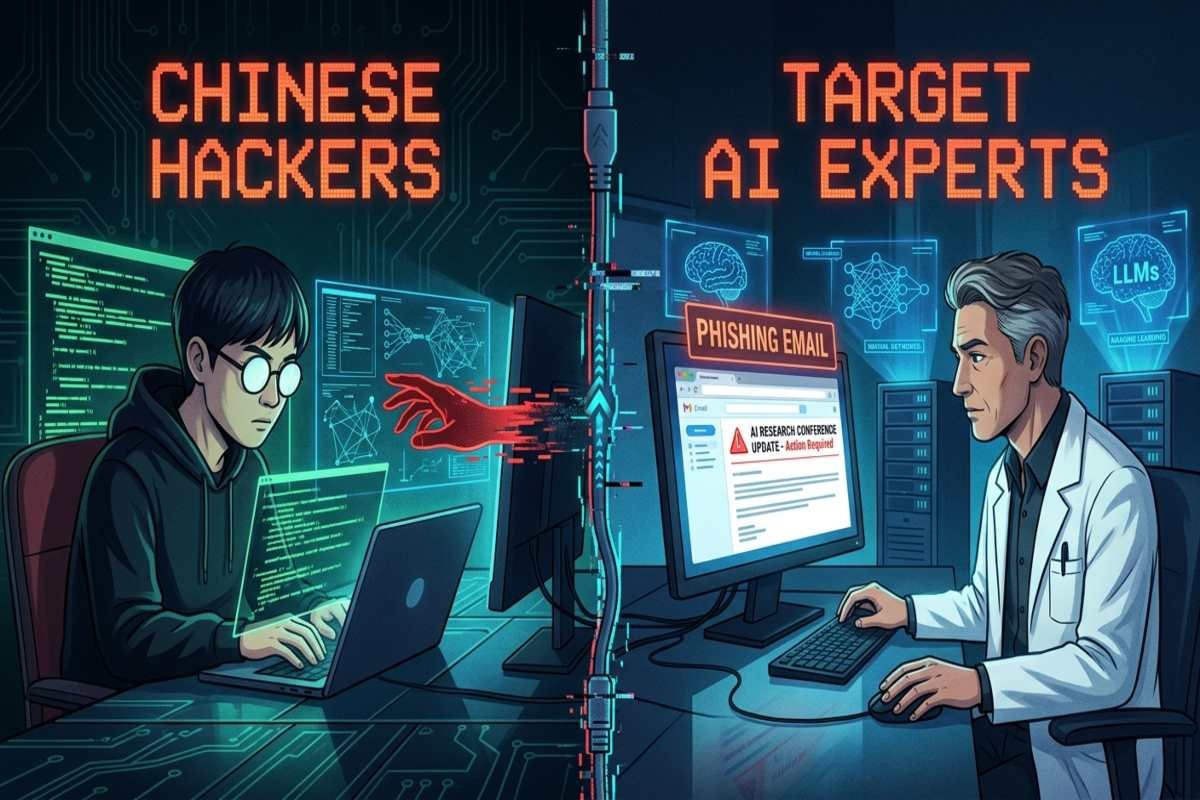
Chinese hackers have reportedly targeted U.S. and Japanese artificial intelligence experts through a highly targeted phishing campaign designed to steal email and cloud account credentials. Cybersecurity company Proofpoint identified the activity as being linked to a group it tracks as TA419, with targets including people working on AI regulation, export controls, and national AI strategy.
The campaign is significant because it shows how traditional phishing is being adapted for highly specialized AI-related targets. Instead of sending generic malicious messages, attackers reportedly impersonated trusted government and technology figures and used AI policy discussions as the lure.
What Happened in the AI Expert Phishing Campaign?
According to Proofpoint, the group has targeted individuals at think tanks, universities, defense contractors, and law firms since at least 2025. The latest activity reportedly involved fewer than 10 people across several organizations, making it a narrowly focused campaign rather than a mass phishing operation.
Attackers reportedly impersonated people with credibility in U.S. technology and AI policy. One example involved Lynne Parker, a former principal deputy director of the White House Office of Science and Technology Policy.
The fraudulent messages proposed AI-related collaborations or policy initiatives before directing recipients toward websites designed to capture passwords. Reuters independently identified Alex Engler, a former White House official and director of the Penn Center on Media, Technology, and Democracy, as one person who received a suspicious message impersonating Parker.
Why Are AI Experts Being Targeted?
The campaign highlights a broader AI Security concern: sensitive information does not always reside inside an AI model or database. Researchers, policy analysts, lawyers, executives, and government specialists may have access to valuable discussions, documents, contacts, and strategic information through their email and cloud accounts.
Proofpoint said the targeting included experts working on AI regulation, export controls, and national AI strategy. Based on the narrow targeting, the company assessed that intelligence collection related to U.S. policymaking could be an objective, rather than technology theft alone. This interpretation is attributed to Proofpoint, not established as an independently proven motive.
China has previously denied allegations of conducting cyber espionage operations, and the current reporting does not establish that every attempted intrusion resulted in a successful account compromise.
How the Phishing Technique Works
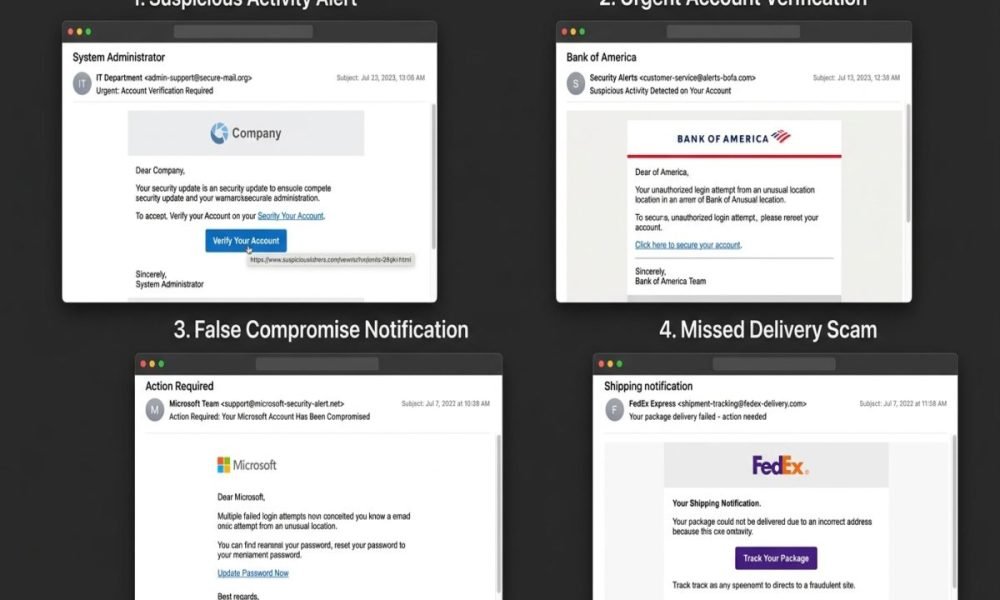
The reported campaign follows a recognizable social engineering pattern:
- Impersonation: Attackers use the identity of a recognizable government or technology figure.
- Relevant Subject Matter: The message discusses AI policy, research, or collaboration.
- Trust Building: The invitation appears relevant to the recipient’s professional interests.
- Credential Theft: The target is directed toward a fraudulent login page.
- Account Access: Stolen credentials could potentially expose email, documents, conversations, and connected services.
This approach demonstrates why traditional Email Security alone may not be sufficient. A technically sophisticated researcher can still be targeted through a convincing professional relationship.
What AI Security Teams Should Do
Organizations working with AI policy, research, or sensitive technology should treat identity-based phishing as an important Security Master priority.
Practical defenses include:
- Verify Invitations: Confirm unexpected requests through a trusted channel.
- Use Phishing-Resistant MFA: Use passkeys or security keys.
- Check Login Requests: Verify cloud authentication pages carefully.
- Limit Account Access: Apply least-privilege permissions.
- Train High Value Users: Teach staff to spot targeted phishing.
- Monitor Account Activity: Watch for unusual logins and permissions.
These measures fit into a broader AiSecMaster approach to protecting people, AI research, cloud accounts, and sensitive information together rather than treating AI security as only a model-level problem.
What This Means for AI Security
The campaign shows that protecting AI innovation requires more than securing models and applications. Human identities, email accounts, cloud platforms, research documents, and policy discussions can all become attack surfaces.
For U.S. organizations involved in artificial intelligence, the practical lesson is straightforward: verify trusted identities, protect credentials, minimize access, and assume that highly relevant professional messages can be deliberately engineered to appear legitimate.
As AI competition and policy discussions continue, targeted phishing may remain an important part of the threat landscape. AiSecMaster readers should therefore consider identity protection and social engineering resistance as core components of modern AI security.