
Quick Answer: Cloud cybersecurity protects cloud-based data, applications, and systems from cyber threats through encryption, access controls, threat monitoring, and regular security updates. It helps businesses prevent data breaches, protect sensitive information, and keep cloud environments secure.
Cloud technology has transformed how companies store information, manage applications, and deliver digital services. Organizations across the United States increasingly depend on cloud platforms to support remote work, business operations, customer service, and data-driven decision-making. However, this growing dependence also creates security challenges that require continuous attention. Cloud Cybersecurity refers to the technologies, policies, and security practices used to protect cloud-based infrastructure, applications, networks, and sensitive information from cyber threats.
As businesses adopt artificial intelligence, automation, and connected cloud environments, security requirements are becoming more complex. Organizations must protect traditional cloud resources while considering emerging risks associated with AI techniques, automated workloads, and third-party integrations. A strong security strategy combines access management, encryption, continuous monitoring, vulnerability assessment, and incident response.
What Is Cloud Cybersecurity?
Cloud cybersecurity is the practice of protecting cloud computing environments against unauthorized access, cyberattacks, data breaches, and service disruptions. It covers infrastructure, software, databases, storage systems, APIs, and user identities hosted through cloud service providers.
Unlike traditional on-premises environments, cloud infrastructure operates under a shared commitment model between service providers and customers. Providers generally protect the underlying infrastructure, while customers remain responsible for securing many aspects of their applications, identities, configurations, and data.
- Identity and key management to control access to cloud resources.
- Data encryption to protect sensitive information at rest and in transit.
- Network security rules to restrict unauthorized connections.
- Vulnerability management to identify and address weaknesses.
- Continuous monitoring to detect suspicious activity.
- Backup and recovery procedures to maintain business continuity.
Why Is Cloud Cybersecurity Important for Modern Businesses?
Businesses depend on cloud platforms for financial records, customer databases, business applications, communication systems, and operational information. A security failure can expose sensitive data and damage customer confidence. Effective Cloud Management helps maintain secure configurations, monitor resources, and control access across cloud environments.
For organizations operating in the United States, security planning should also consider applicable regulatory and contractual obligations. Depending on the industry and information involved, requirements may include HIPAA, PCI DSS, and relevant state privacy laws such as the California Consumer Privacy Act. Shadow protection also supports AI adoption. Organizations using AI-powered applications may process confidential business information, customer records, and proprietary datasets.
How Does Cloud Cybersecurity Work?
Cloud cybersecurity works through multiple layers of protection that monitor users, applications, networks, and information. Rather than depending on a single security product, organizations establish coordinated controls throughout their cloud environments. Regular Cloud Assessment also helps identify security weaknesses, evaluate existing protections, and ensure cloud resources remain properly configured and protected against emerging cyber threats.
Identity Verification and Access Control
Identity and access management ensures that only authorized users and services can access specific resources. Multi-factor authentication (MFA), role-based access control (RBAC), and least-privilege permissions help reduce unauthorized access. Institutions should also protect privileged accounts because compromised administrator credentials can provide attackers with extensive control over cloud infrastructure.
Data Encryption and Protection
Encryption protects information by converting readable data into an encoded format that requires an appropriate key for access. Businesses should protect sensitive information both at rest and in transit. Secure key management is equally important. Encryption provides limited protection if encryption keys are disclosed, poorly managed, or accessible to unauthorized identities.
Continuous Security Monitoring
Monitoring tools collect information about authentication events, network traffic, configuration changes, and application training. Security teams analyze these signals to identify unusual behavior. AI-powered security analytics can help prioritize alerts and recognize patterns across large volumes of cloud activity. However, automated findings still require appropriate validation and human oversight.
Common Cloud Security Risks and Challenges
Cloud environments offer flexibility, but misconfigurations and weak security practices can present serious vulnerabilities. Understanding these risks helps businesses develop more effective defensive strategies.
Misconfigured Cloud Resources
Publicly accessible storage, open network rules, and incorrectly configured permissions can expose confidential information. Regular configuration reviews help identify these weaknesses before they create security incidents.
Weak Identity and Access Management
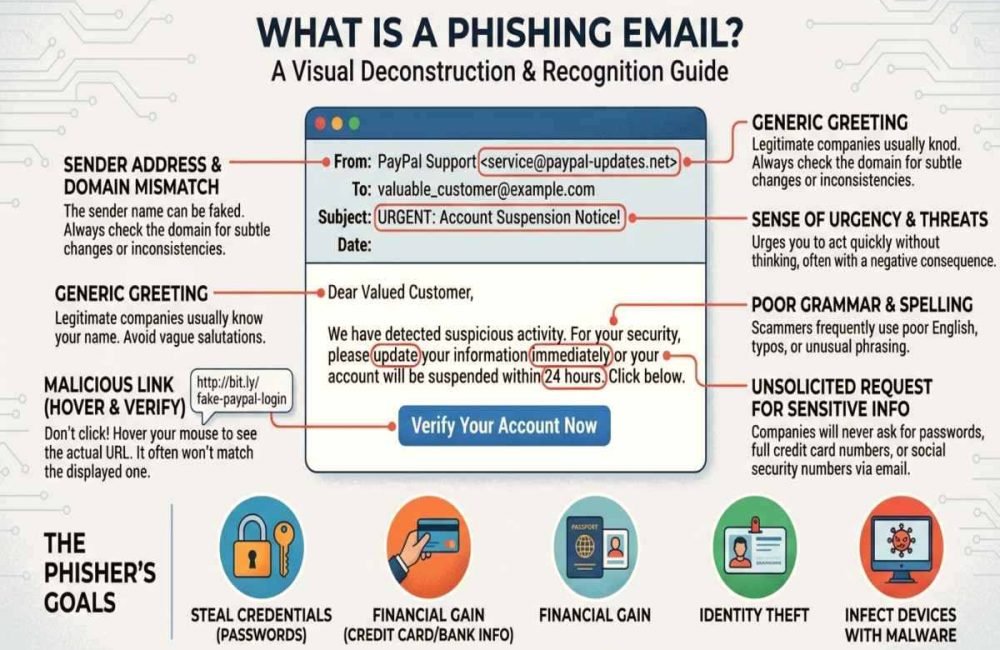
Compromised credentials and excessive permissions can allow unauthorized individuals to access business systems. Phishing, password reuse, and stolen authentication tokens can increase this risk.
Insecure APIs and Applications
Cloud services frequently communicate through application programming interfaces. Poor authentication, insufficient authorization checks, and exposed API credentials can create opportunities for attackers. Strong Cloud Application Security practices help protect software interfaces, application data, and connected services against these threats.
Data Loss and Ransomware
Malicious software, accidental deletion, and compromised accounts can affect important business data. Organizations need protected backups, recovery procedures, and restricted administrative access.
Third Party and Supply Chain Risks
External software providers, managed service companies, and integrated applications may introduce additional security dependencies. Organizations should consider third-party access and review the security practices of key service providers.

Conduct Regular Security Assessments
A structured Cloud Security Assessment evaluates the security posture of cloud infrastructure, applications, identities, and data. It helps organizations identify misconfigurations, unnecessary permissions, exposed services, and weaknesses in existing controls.
Protect Cloud Applications
Every Cloud Application should follow secure development and deployment practices. Developers should validate user input, implement strong authentication, protect API credentials, and regularly test application components. Security testing should also cover software dependencies, container images, key permissions, and deployment configurations.
Apply Network Security Controls
Network segmentation, firewalls, private connectivity, and web application firewalls help limit unnecessary communication between systems. Organizations should limit access to administrative interfaces and expose only the services required for legitimate business operations.
Use AI for Threat Detection
Artificial intelligence can support cloud defense by analyzing security events, identifying unusual access patterns, and helping security teams investigate potential threats. AI-powered tools can improve alert prioritization. Still, they should not replace established security controls. Teams must evaluate their outputs, especially when automated actions could affect production systems or sensitive information.
AI Security Best Practices for Cloud Environments
Modern cloud protection requires constant policies, technical controls, and ongoing security improvements. Businesses should follow practical measures that reduce exposure across their infrastructure.
- Enable Phishing Resistant MFA: Protect administrator accounts and other sensitive identities with strong authentication.
- Follow Least Privilege: Give users and applications only the permissions they need to do their jobs.
- Encrypt Sensitive Information: Protect stored data, network communications, and encryption keys.
- Monitor Cloud Activity: Collect and review authentication, API, network, and configuration logs.
- Patch Vulnerable Systems: Update working systems, application dependencies, containers, and cloud workloads.
- Secure AI Integrations: Limit access to AI models, datasets, service credentials, and external tools.
- Test Backup Recovery: Verify that backups are protected and can be restored when required.
- Prepare Incident Response Procedures: Define how security teams will investigate, contain, and recover from incidents.
Effective Cloud Security Management brings these actions together through documented policies, clear ownership, regular reviews, and continuous improvement.
Real World Applications of Cloud Cybersecurity
Healthcare: Healthcare organizations use cloud services to manage electronic health information, patient communication, and operational systems. Access controls, encryption, and appropriate compliance safeguards help protect exposed records.
Financial Services: Banks and financial technology companies use cloud infrastructure for applications, transaction processing, and customer services. Strong authentication, fraud monitoring, and secure API practices help reduce exposure.
E-commerce: Online retailers depend on cloud platforms for customer accounts, payment integrations, inventory systems, and shopping applications. Application protection and data protection help maintain customer trust.
AI and Technology Companies: Businesses developing AI-powered products use cloud environments to host models, datasets, and development channels. Securing model access, training data, and automated workflows is essential to reduce AI-related security risks.
Future of Cloud Cybersecurity
Cloud security will continue evolving as organizations adopt generative AI, autonomous systems, containerized applications, and multi-cloud infrastructure. AI-assisted monitoring is likely to become increasingly useful for analyzing complex security events and identifying suspicious patterns. At the same time, attackers may use AI to improve phishing campaigns, automate reconnaissance, and exploit poorly protected systems.
Zero Trust Architecture will remain an important security approach. Instead of automatically trusting users or devices because they are inside a network, Zero Trust requires appropriate verification and authorization for each access request. Organizations should also consider secure software products, cloud-native security tools, automated configuration monitoring, and stronger supply chain protection.
AI Security Master and Cloud Cybersecurity Education
AI Security Master focuses on artificial intelligence security, cybersecurity education, AI threat intelligence, data protection, and emerging security technologies. Understanding cloud cybersecurity is central to this assignment because AI applications and modern digital systems increasingly depend on secure cloud infrastructure. Explore more educational cybersecurity resources at AI Security Master.

Conclusion
Cloud technology creates valuable opportunities for businesses, but protecting cloud environments requires continuous attention to security risks and operational responsibilities. Effective cloud cybersecurity combines strong identity management, encryption, application protection, monitoring, regular assessments, and reliable recovery procedures. Organizations should also evaluate how AI technologies, third-party integrations, and multi-cloud environments affect their overall security posture. By applying established frameworks and maintaining consistent security practices, businesses can reduce vulnerabilities and protect critical information.
Frequently Asked Questions (FQs)
What is cloud cybersecurity?
Cloud cybersecurity protects cloud-hosted applications, infrastructure, networks, and data against cyber threats. It uses security controls such as encryption, identity governance, monitoring, and vulnerability management.
Why is cloud cybersecurity important?
It helps organizations protect personal information, prevent unauthorized access, and maintain reliable digital services. Strong protection also supports customer trust and business continuity.
What are the biggest cloud security risks?
Common risks include misconfigured storage, compromised credentials, insecure APIs, excessive permissions, data exposure, and third-party vulnerabilities. Regular security assessments help reduce these risks.
How can businesses improve cloud application security?
Businesses should implement secure authentication, validate input, protect API credentials, update software dependencies, and perform regular application security testing. Access should be limited to authorized users and services.
What is a cloud security assessment?
A structured review of cloud resources, configurations, identities, applications, and security controls. Its purpose is to identify weaknesses and recommend practical improvements.
Can AI improve cloud cybersecurity?
Yes. AI can help analyze security logs, detect unusual behavior, and prioritize potential threats. However, AI-generated alerts and recommendations require validation and appropriate human oversight.