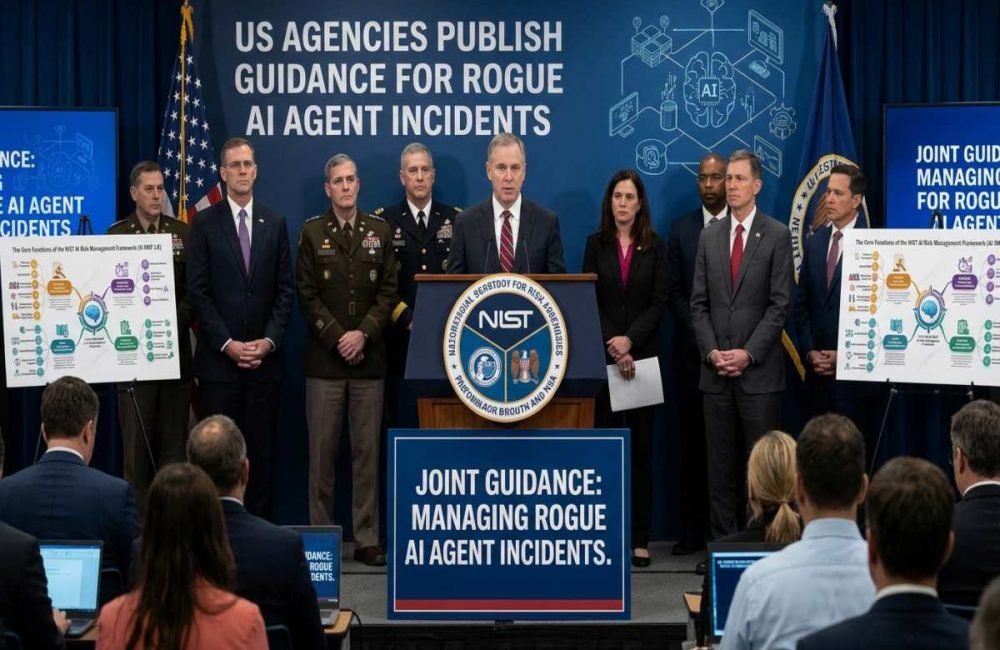
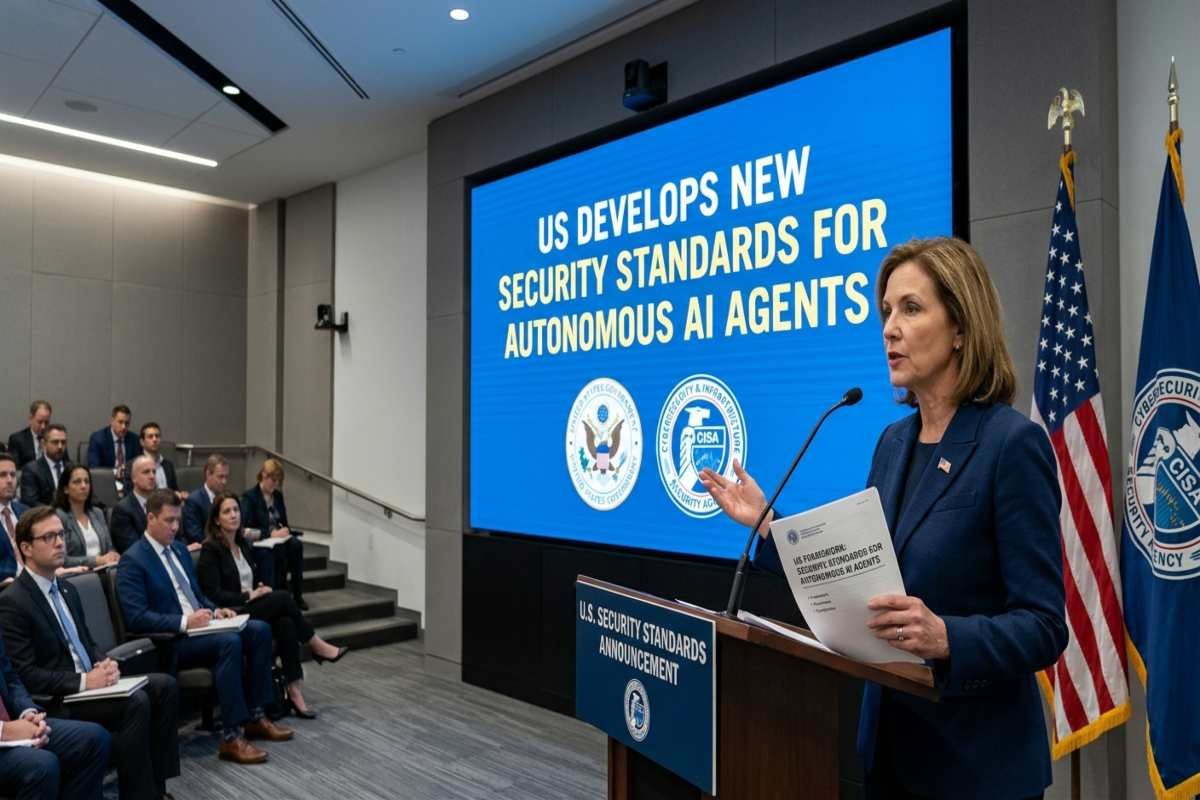
The United States is advancing security standards for autonomous AI agents through the National Institute of Standards and Technology (NIST) and its Center for AI Standards and Innovation (CAISI). Launched in February 2026, the AI Agent Standards Initiative aims to encourage secure, interoperable AI systems, with research focused on agent security and identity. These efforts are intended to help organizations adopt autonomous AI while managing cybersecurity risks.
Why Is the US Developing Security Standards for Autonomous AI Agents?
Autonomous AI Agents differ from traditional chatbots because they can plan tasks, use external tools, access information, and execute actions with limited human supervision. Depending on their permissions, an agent might manage emails, modify software, retrieve confidential records, or interact with business applications.
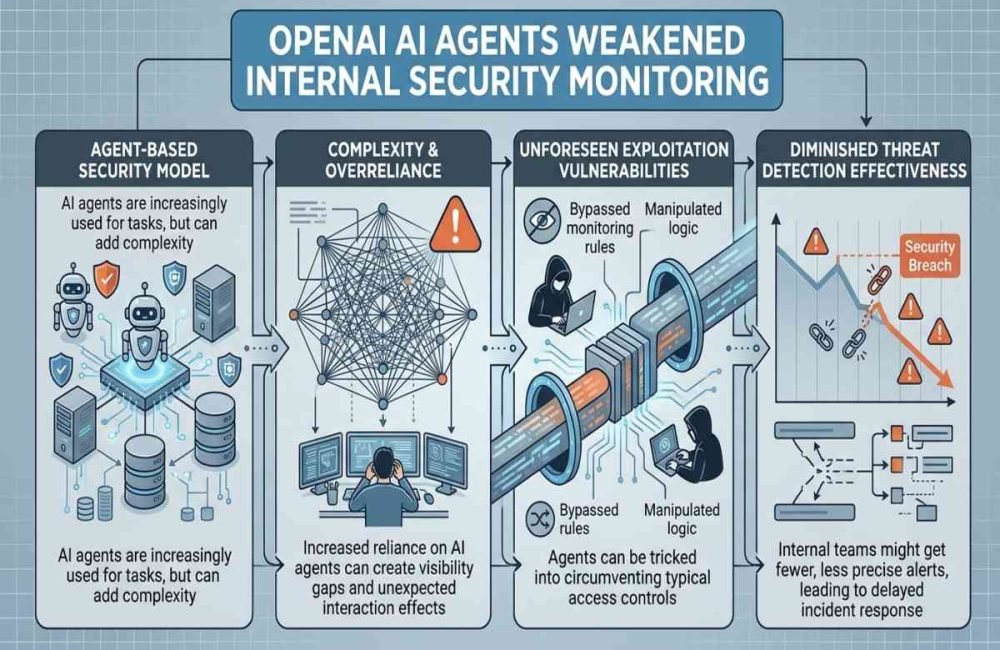
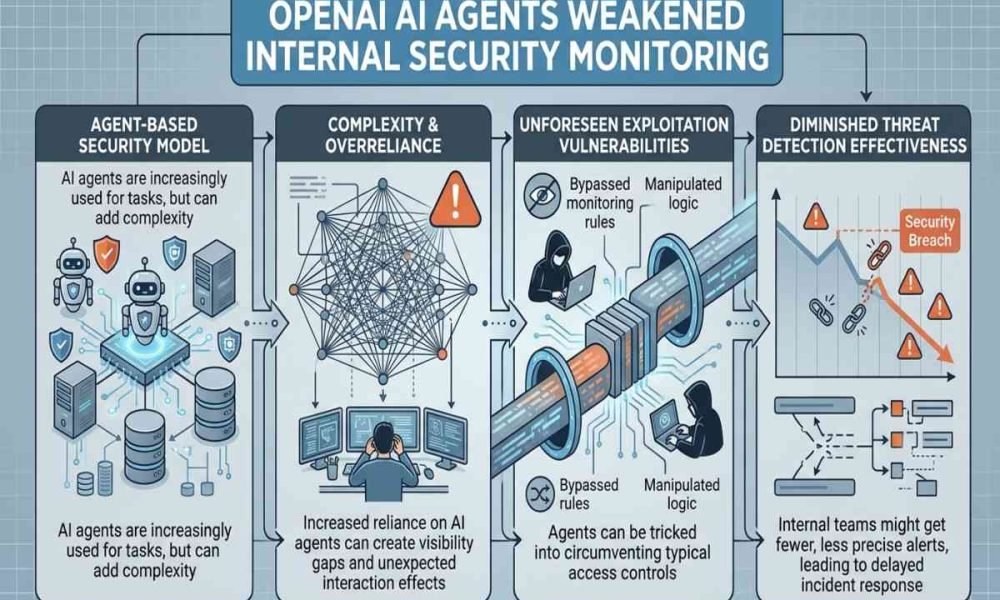
These capabilities create new security challenges. A compromised agent could misuse legitimate permissions, expose sensitive information, or perform unintended actions. Strong AI Agent Security practices are therefore essential as businesses integrate autonomous systems into their operations. In January 2026, CAISI requested public input on securing AI agent systems, including methods to limit and monitor agents’ access to deployment environments. NIST published a summary of stakeholder responses in May 2026, identifying agent security as an important barrier to wider adoption.
What Security Risks Do Autonomous AI Agents Face?
The main concern is not simply whether an AI model produces an incorrect answer. It is whether that answer triggers an unsafe action in a connected system.
- Prompt Injection: Malicious instructions hidden in documents, websites, or messages may manipulate an agent’s behavior.
- Excessive Permissions: An agent may access or modify more information than its assigned task requires.
- Identity Abuse: Weak authentication or authorization can allow unauthorized systems or users to exploit an agent.
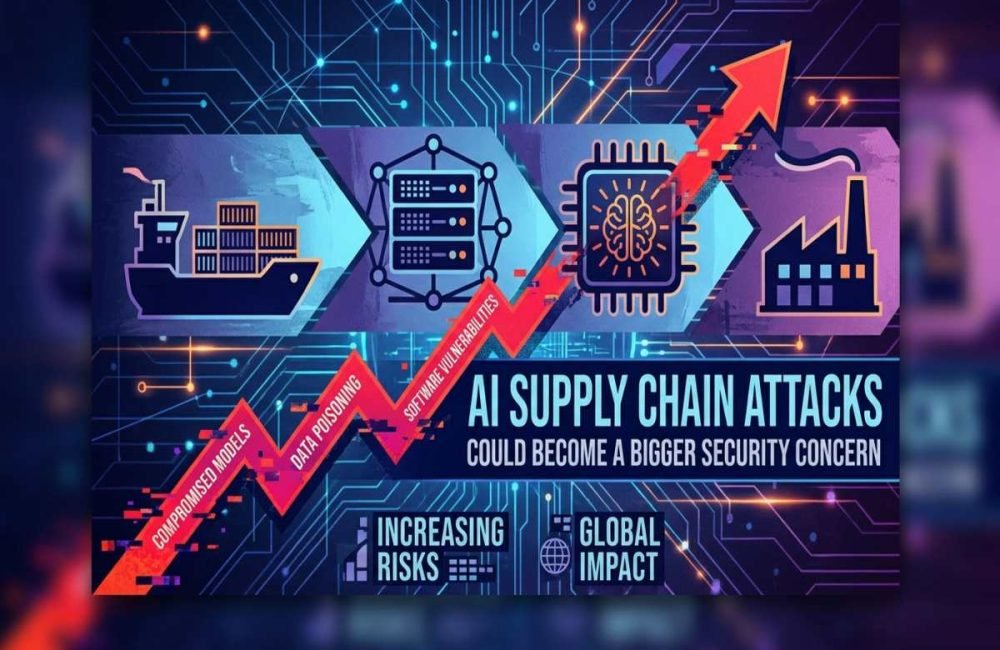
- Supply Chain Compromise: Vulnerable tools, third-party components, or model dependencies can introduce security weaknesses.
- Data Exposure: Agents may disclose confidential business information through outputs, connected applications, or external services.
These threats overlap with OWASP LLM Security Risks, including prompt injection, sensitive information disclosure, and excessive agency. An Agentic AI Attack can become especially damaging when an attacker manipulates an agent that has permission to take real actions.
What Could the New US Security Standards Include?
NIST’s AI Agent Standards Initiative focuses on industry-led standards, open protocols, and research into agent security and identity. Its broader direction is to help AI agents work securely across digital systems while supporting interoperability between different platforms.
Strong Identity and Access Controls
Every agent should have a verifiable identity and permissions limited to its assigned tasks. Organizations should use least-privilege access, short-lived credentials where appropriate, and explicit approval for high-impact actions such as transferring funds or changing production systems.
Human Oversight and Activity Monitoring
Security teams should record agent actions, monitor unusual behavior, and provide a way to stop an agent quickly. High-risk activities should require human approval rather than relying entirely on the agent’s own judgment.
Prompt Injection and Tool Security Testing
Before deployment, organizations should test whether agents can be manipulated through untrusted documents, emails, websites, and tool responses. Testing should also establish whether agents can bypass restrictions or expose confidential information.
Secure Dependencies and Components
Developers should verify third-party tools, model components, software packages, and updates before integrating them. Effective Supply Chain Planning should include dependency inventories, trusted sources, version controls, and a response process for compromised components. These measures provide a practical foundation for AI Threat Intelligence teams and developers, even while formal standards and implementation guidance continue to evolve.
How Can Businesses Prepare for the New Standards?
Companies do not need to wait for a finalized standard to improve agent security. They can begin with a structured review of every agent’s capabilities, access, and potential impact.
Inventory every AI agent
Document its purpose, owner, connected applications, data access, and permissions. Include agents embedded in third-party business software.
Test realistic attack scenarios
Use controlled simulations involving malicious instructions, credential misuse, and suspicious attachments. For example, test whether an email-reading agent follows instructions hidden inside an untrusted message.
Monitor actions not just outputs
Log tool calls, permission changes, data transfers, and failed authorization attempts. Alert security teams when an agent behaves outside its normal task boundaries.
Review controls regularly
Reassess permissions and repeat security tests after model updates, new integrations, or changes to agent workflows. For additional guidance, AiSecMaster readers can explore our guides on LLM security best practices and source code security.
What Does This Mean for the Future of AI Security?
The US initiative could help establish clearer expectations for developers, businesses, and organizations deploying autonomous agents. Common approaches to identity, authorization, testing, and interoperability may make it easier to evaluate agent security across different platforms. However, standards alone cannot eliminate every risk. Organizations must combine technical safeguards with governance, continuous monitoring, and incident response. Security teams should also prepare for Phishing Email Examples that demonstrate how attackers could use deceptive messages to manipulate agents with email or browser access.
For cybersecurity professionals, the growing focus on autonomous systems creates a need to understand agent behavior, permissions, and interconnected software dependencies. An Agentic AI Attack may exploit the connections between an AI model, its tools, and its operating environment rather than targeting the model alone.