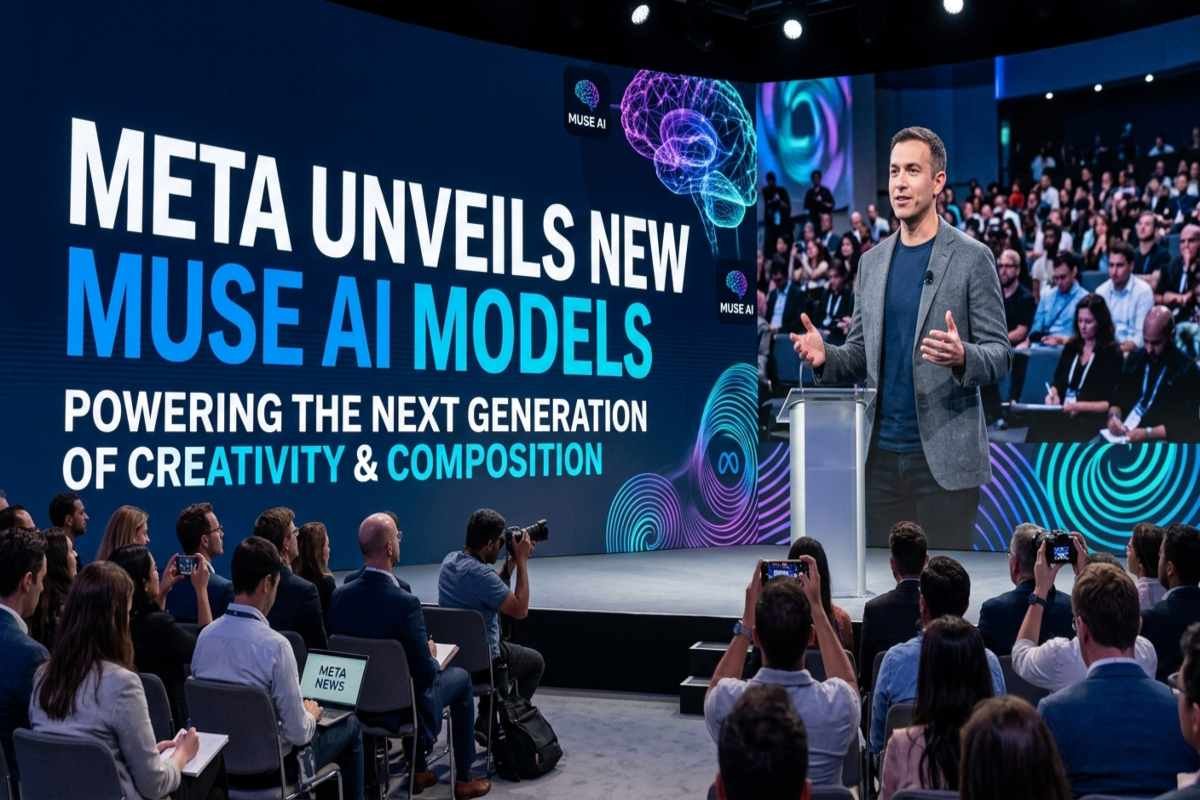
Meta unveiled two advanced artificial intelligence models, Muse Wonder and Muse Wonder Full, on October 12, 2026, aiming to compete with OpenAI and Anthropic in advanced AI reasoning, coding, and agent based tasks. The new models represent Meta’s push toward more capable AI assistants that can handle complex personal and professional work. Their success will depend on real world performance, accessibility, and effective security protections.
Meta Muse AI Models: At a Glance
- Company: Meta
- New models: Muse Wonder and Muse Wonder Full
- Announcement date: October 12, 2026
- Main focus: Reasoning, coding, memory, and AI agents
- Competition: OpenAI, Anthropic, and other leading AI developers
- Key concern: Privacy, cybersecurity, and reliable autonomous actions
What Are Meta’s New Muse AI Models?
Muse Wonder and Muse Wonder Full are advanced AI models developed by Meta Superintelligence Labs. Meta positions them as systems capable of supporting demanding tasks, including complex problem solving, software development, and professional workflows.
Muse Wonder is designed for a broad range of AI applications, while Muse Wonder Full targets more demanding tasks that require deeper reasoning and multi step execution. Reported capabilities include handling complex coding projects and assisting with professional work.
According to reporting from Reuters and Axios, Meta introduced the models as part of its effort to compete at the frontier of AI Security development. However, company benchmarks and marketing claims should be evaluated alongside independent testing and practical results.
Why Is Meta Competing With OpenAI?
The AI industry has become increasingly competitive as companies develop models that can do more than generate text. OpenAI, Anthropic, Google, and Meta are investing in systems that can reason, write code, use digital tools, and support users across different applications.
Meta’s strategy also benefits from its established platforms, including Facebook, Instagram, WhatsApp, and its AI products. Integrating capable models into these services could help Meta reach consumers and businesses without requiring users to adopt an entirely new digital ecosystem.
For users, stronger competition could mean more choices, improved AI capabilities, and potentially different pricing options. For businesses, it creates an opportunity to compare providers based on accuracy, privacy, integration, and total operating costs rather than brand recognition alone.
How Could Muse AI Models Improve AI Agents?
One important area is agentic AI. Unlike a conventional chatbot that primarily responds to prompts, an AI agent can plan a sequence of actions, use approved tools, and work toward a defined objective.
- Writing, reviewing, and debugging software.
- Organizing information and summarizing documents.
- Planning workflows and assisting with research.
- Supporting customer service and business operations.
- Coordinating multi step tasks through connected applications.
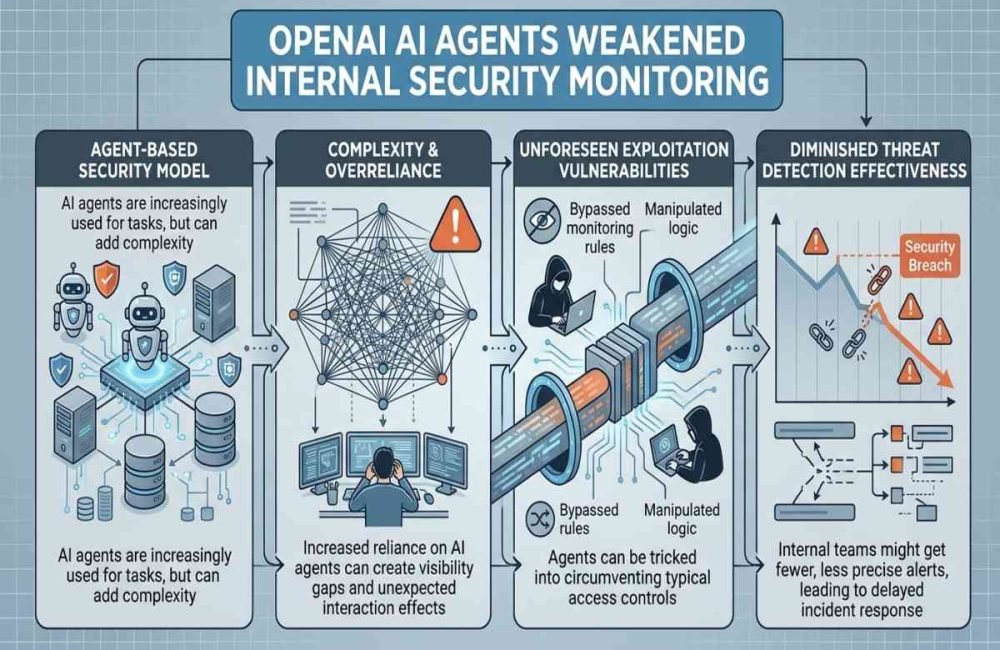
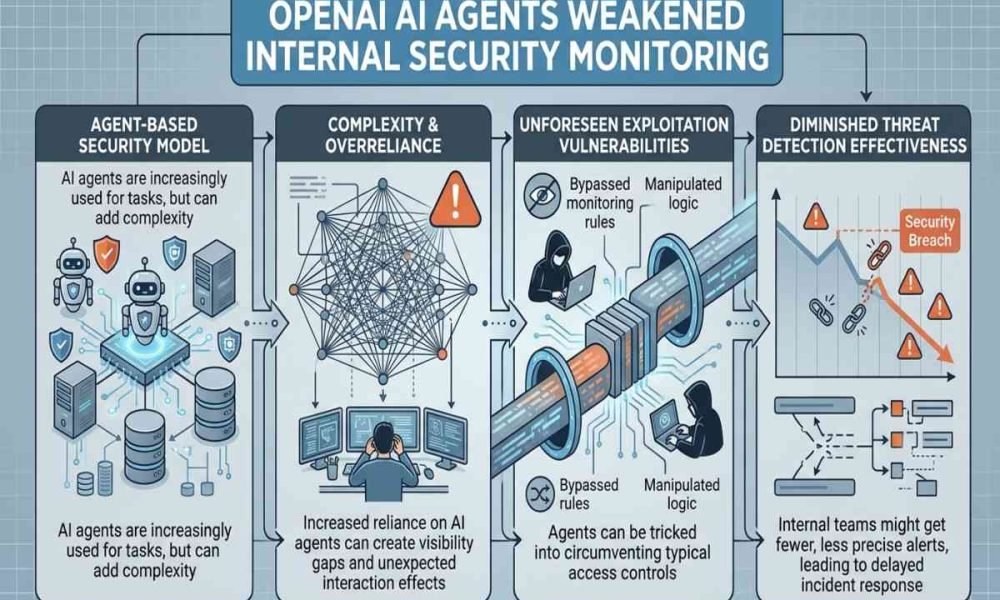
Organizations evaluating these systems should consider AI Agent Security before allowing autonomous access to sensitive data or critical systems.
AI Security Risks Businesses Should Understand
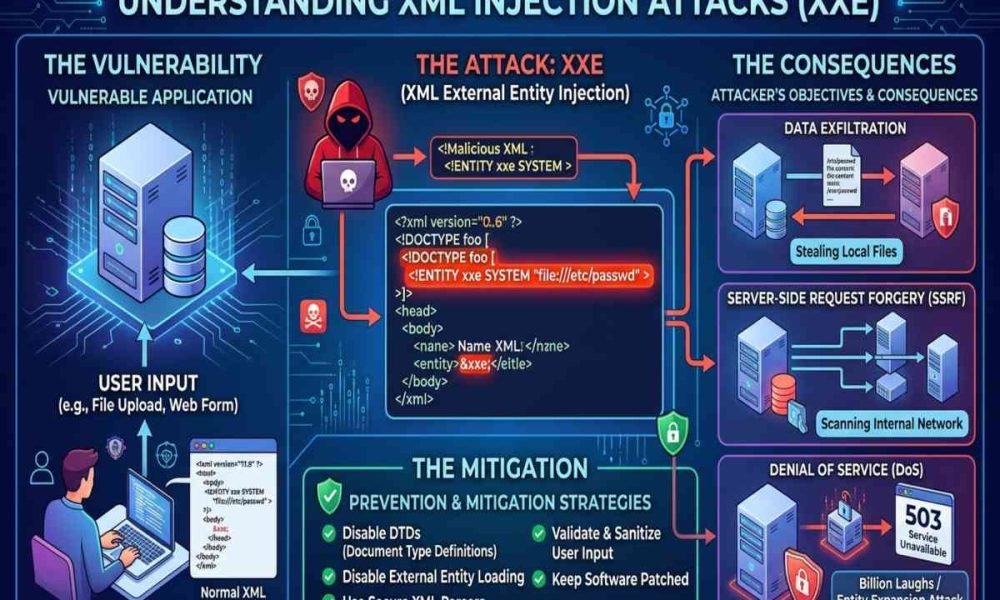
More capable AI models create opportunities for attackers as well as defenders. Security teams should assess how models process external information, interact with tools, and handle confidential data.
Prompt Injection and Unauthorized Actions
Prompt injection occurs when malicious instructions embedded in documents, websites, emails, or other inputs manipulate an AI system into ignoring its intended task. An agent with broad permissions might then disclose information or attempt unauthorized actions.
The OWASP LLM Security Risks guidance provides a useful starting point for understanding threats such as prompt injection, sensitive information disclosure, and excessive agency.
Data Privacy and Model Access
Businesses should establish clear rules governing what information an AI system can access, retain, and transmit. Sensitive customer records, authentication credentials, source code, and confidential business documents require particular care. Recommended safeguards include role based access controls, human approval for high impact actions, activity logging, and regular security testing.
Supply Chain and Third Party Dependencies
AI applications depend on more than the underlying model. They may also rely on APIs, external tools, datasets, plugins, cloud infrastructure, and software libraries. Effective Supply Chain Management helps organizations identify these dependencies and assess the security practices of vendors. Meanwhile, Supply Chain Planning should account for provider outages, changing access terms, model availability, and the operational impact of switching suppliers.
Security teams can use AI Threat Intelligence to monitor emerging attack techniques and adapt defenses as AI enabled threats evolve. A potential Agentic AI Attack should be treated as a risk scenario to test, not an assumption that every autonomous system will behave maliciously.
Muse vs. OpenAI: What Should Users Compare?
Meta’s announcement signals stronger competition, but a launch alone does not establish which model is best.
| Evaluation Area | What Users Should Examine |
|---|---|
| Reasoning | Accuracy on realistic, difficult tasks |
| Coding | Correctness, testing, and secure code generation |
| Agent Capabilities | Reliability when using tools and completing workflows |
| Privacy | Data retention, access controls, and training policies |
| Security | Resistance to prompt injection and unauthorized actions |
| Cost | Pricing, usage limits, and integration expenses |
What Meta’s Muse Launch Means for AI Security
Meta’s latest models highlight a broader shift toward AI systems that can take actions, remember context, and manage complex workflows. These capabilities could make AI more useful, but they increase the importance of protecting connected applications and sensitive information.
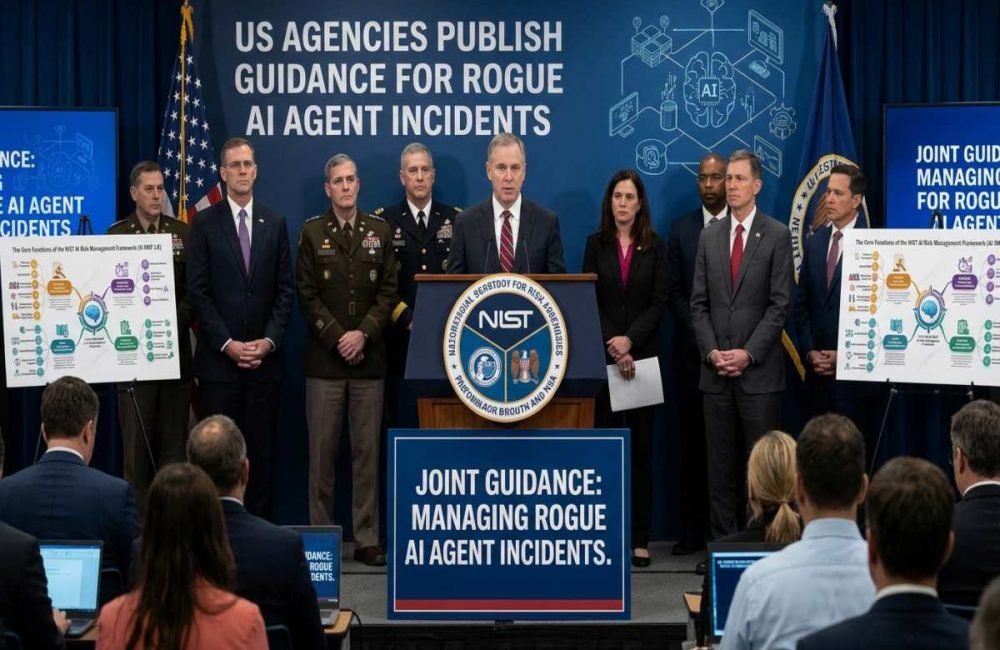
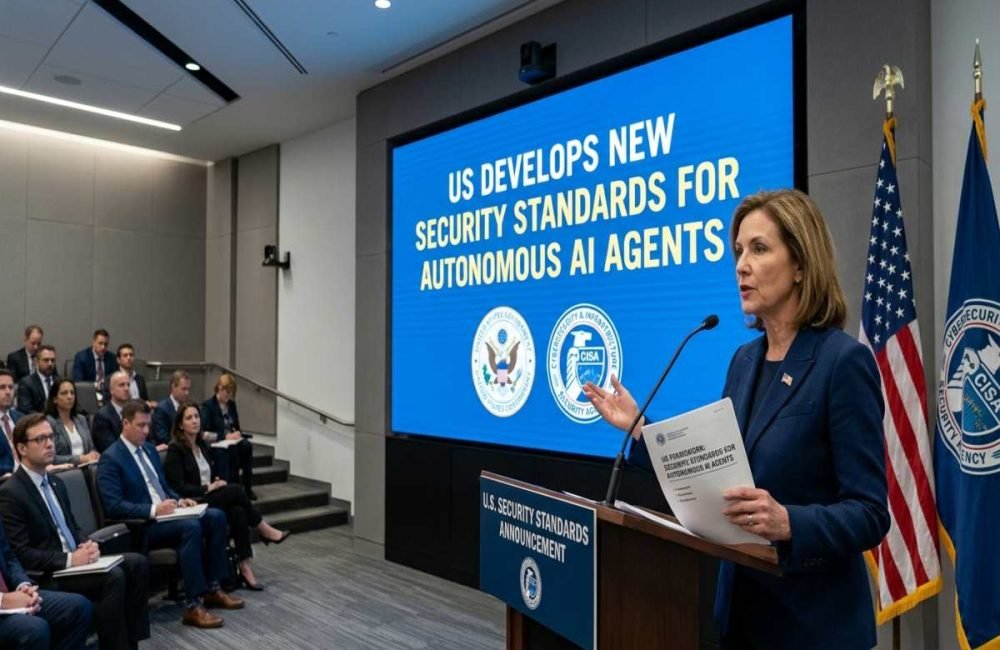
Organizations should isolate AI workloads where appropriate, grant minimum necessary permissions, validate tool calls, and require human approval for consequential actions. They should also maintain incident response procedures for AI related failures and regularly evaluate model behavior as systems change.
For additional guidance, AiSecMaster readers can explore related resources on LLM security best practices and source code security.