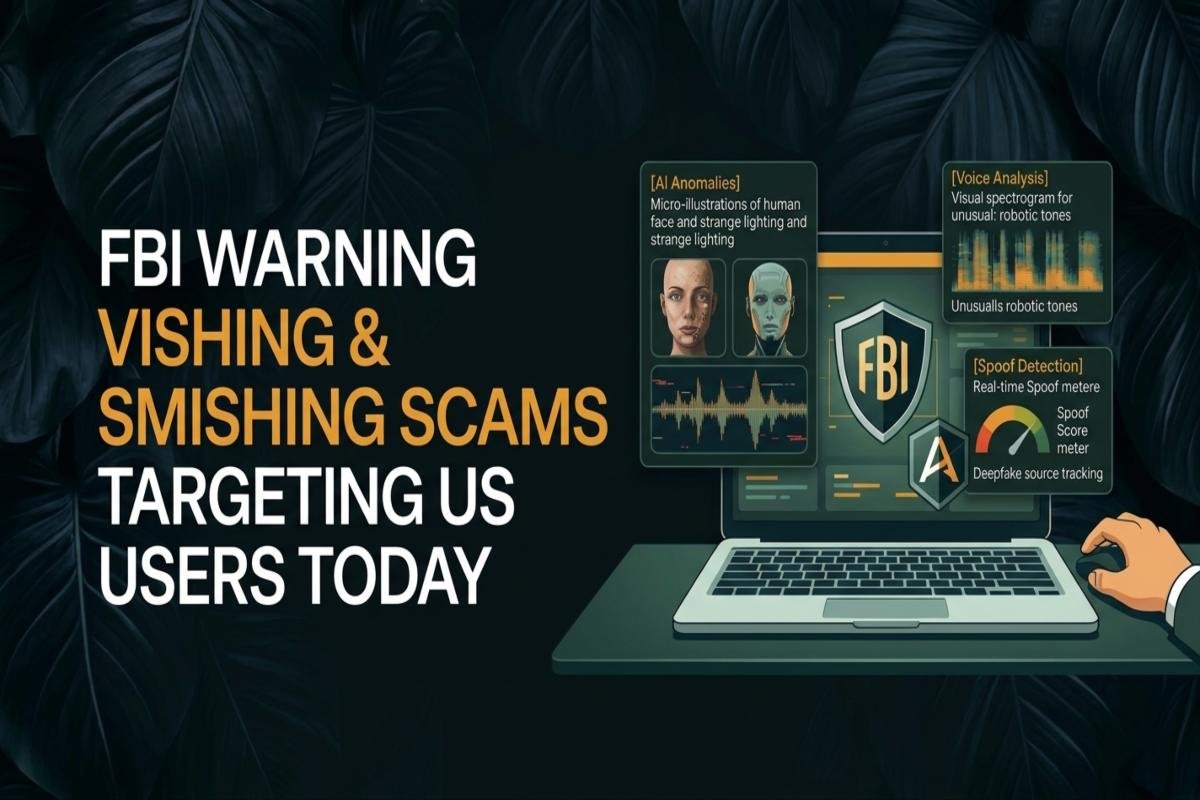
Unexpected phone calls and text messages can expose Americans to fraud, identity theft, and account takeovers. Vishing scams use voice calls to manipulate victims, while smishing scams use fraudulent text messages to steal information or money. FBI advisories have documented impersonation campaigns involving malicious messages and AI-generated media, making independent verification an important security habit for individuals and businesses.
The safest approach is to verify urgent requests before taking action, especially when responding to an FBI Warning Vishing Smishing alert about potential fraud. Whether a message claims to come from a bank, government agency, delivery company, or family member, never share passwords, verification codes, or financial information simply because the communication appears genuine. Always confirm the sender’s identity through a trusted contact method before responding.
What Are Vishing and Smishing Scams?
Vishing, or voice phishing, occurs when criminals use phone calls, voicemail, or internet-based calling services to deceive people into revealing confidential information or making unauthorized payments. Smishing, a combination of SMS and phishing, uses text messages containing fraudulent links, fake account alerts, or requests for personal information. Both methods exploit trust rather than relying exclusively on technical vulnerabilities.
These scams may target anyone with a phone, including students, employees, older adults, and business owners. Criminals frequently create believable stories about suspicious bank transactions, unpaid tolls, package deliveries, or compromised accounts. Their objective is to make victims react quickly instead of checking whether the request is legitimate.
Why Is the FBI Warning About These Scams?
FBI advisories have highlighted malicious messaging campaigns in which criminals impersonate senior U.S. officials and other trusted individuals. The FBI’s Internet Crime Complaint Center (IC3) also published a warning in July 2026 about scammers impersonating IC3. These documented threats demonstrate why users should verify suspicious communications rather than trust a familiar name, phone number, or professional-looking message.
However, an existing FBI advisory should not automatically be described as a new warning issued today. Readers should consult the FBI’s official website for the latest announcements and determine whether an alert concerns their particular situation. When reviewing an FBI Warning Vishing Smishing alert, it is important to understand how criminals combine text messages, voice calls, fraudulent websites, and AI-generated content to make a single scam more convincing. Staying alert, verifying suspicious communications, and avoiding requests for sensitive information can help reduce the risk of fraud.
How Do Vishing and Smishing Attacks Work?
Most scams begin with an unexpected message or call that appears relevant to the recipient. A criminal may claim that a bank account has been restricted, a payment has failed, or an urgent security problem requires immediate attention. The victim is then encouraged to click a link, reveal a verification code, install an application, or transfer money to a supposedly safe account.
Once the victim follows these instructions, the criminal may steal login credentials, access financial accounts, or collect information for future fraud. Reviewing Phishing Email Examples can help readers recognize similar warning signs, such as urgent requests, suspicious links, and messages that impersonate trusted organizations. Some attackers continue contacting the victim through different channels to maintain the deception. Recognizing this pattern early can prevent a suspicious communication from turning into a financial or identity-related incident.
Common Warning Signs of Vishing and Smishing Scams
A suspicious message often combines urgency with an unexpected request. Criminals may threaten account suspension, claim that legal action is imminent, or insist that money must be transferred immediately. Other warning signs include unfamiliar website addresses, unusual payment methods, requests for authentication codes, and instructions to keep the conversation secret.
| Warning Sign | Possible Risk | Recommended Action |
|---|---|---|
| Unexpected account alert | Credential theft | Check the official app independently. |
| Urgent payment demand | Financial fraud | Verify the request before paying. |
| Suspicious link | Fake login page or malware | Avoid opening the link. |
| Request for a verification code | Account takeover | Never share the code. |
| Familiar voice requesting money | Possible impersonation | Call the person using a saved number. |
| Request to install an unfamiliar app | Potential device compromise | Confirm the software’s legitimacy. |
Caller ID and familiar voices are not reliable proof of identity. Criminals can spoof phone numbers, and AI generated speech may imitate a person known to the victim. A separate verification step is more dependable than trusting how a communication looks or sounds.
What Should You Do After Receiving a Suspicious Call or Text?
Stop responding to the sender and avoid clicking links, downloading attachments, or providing personal details. If the message claims to represent a bank, government agency, or business, locate its official contact information independently. When dealing with an FBI Warning Vishing Smishing alert, contact the organization directly rather than using the number or link included in the suspicious message. This simple verification step can help protect your sensitive data and reduce the risk of fraud.
Next, preserve useful evidence, including screenshots, phone numbers, message content, suspicious URLs, and timestamps. Following Source Code Security best practices can also help organizations investigate malicious links and identify potential software-related vulnerabilities. Report suspected internet-related crime through the FBI Internet Crime Complaint Center (IC3) and notify your mobile carrier when appropriate. If the communication involves a financial account, contact your bank immediately if you notice unauthorized activity or have disclosed sensitive banking information.
What If You Have Already Clicked a Suspicious Link?
Clicking a suspicious link does not necessarily mean your device has been compromised. However, you should close the page, avoid entering additional information, and check whether a file was downloaded or an application was installed. Practicing good Code Security and keeping your software updated can help reduce risks from malicious downloads and exploit attempts. If you entered a password, change it through the legitimate website and review account sessions for unauthorized access.
If you shared banking information or transferred money, contact your financial institution using a verified number and ask about available protective measures. People who exposed their Social Security number or other identity information should review recovery guidance at IdentityTheft.gov. Acting quickly can help limit additional damage, although recovery cannot always be guaranteed.
How Does Artificial Intelligence Make These Scams More Convincing?
Generative AI can help criminals write convincing messages, imitate communication styles, translate fraudulent scripts, and produce synthetic voices. Information from public profiles or previously exposed records may also help attackers personalize their approach. This creates additional concerns around AI Privacy, particularly when personal information can be used to make impersonation attempts appear credible.
Protecting Sensitive Data reduces the information criminals can exploit. Individuals should limit unnecessary public sharing of personal details, secure social media accounts, and use strong authentication. Organizations should also assess how employees handle confidential information when using AI systems and ensure that unapproved applications do not receive sensitive customer or business records.
How Are Vishing and Smishing Connected to AI Security Threats?
Vishing and smishing are primarily social-engineering techniques, but they can overlap with broader cybersecurity risks. For example, criminals may use information obtained through a fraudulent message to access an AI-powered application or exploit an organization’s weak identity controls. Understanding AI Threat Intelligence can help security teams track emerging attack techniques and adapt employee awareness programs.
Separate technical risks also deserve attention. OWASP LLM Security Risks, including prompt injection and sensitive-information disclosure, concern weaknesses in applications built around large language models. They are not the same as telephone scams, but organizations using AI should address both human manipulation and technical vulnerabilities through appropriate security controls.
How Can Businesses Prevent Vishing and Smishing Attacks?
Businesses should establish a verification process for sensitive requests involving payments, customer records, password resets, and account changes. Employees should confirm unusual requests through a separate trusted communication channel, particularly when someone asks to change supplier banking details or transfer funds urgently. A clear reporting procedure also helps employees escalate suspicious communications without fear of blame.
Security teams should review identity permissions, enable multifactor authentication, monitor unusual account activity, and train staff to recognize impersonation attempts. Effective Supply Chain Planning should include procedures for verifying supplier changes and unexpected financial instructions. Organizations can complement these controls with a Cloud Security Assessment to identify weaknesses in cloud identities, configurations, and access permissions.
Can Firewalls and AI Security Tools Stop These Scams?
Technical defenses can reduce certain risks, but no single tool can eliminate social engineering. Appropriate Firewall Configuration, email filtering, web protection, endpoint security, and account monitoring can block some malicious destinations or detect suspicious activity. However, these controls may not stop a criminal who persuades an employee to voluntarily disclose a verification code or approve a fraudulent transaction.
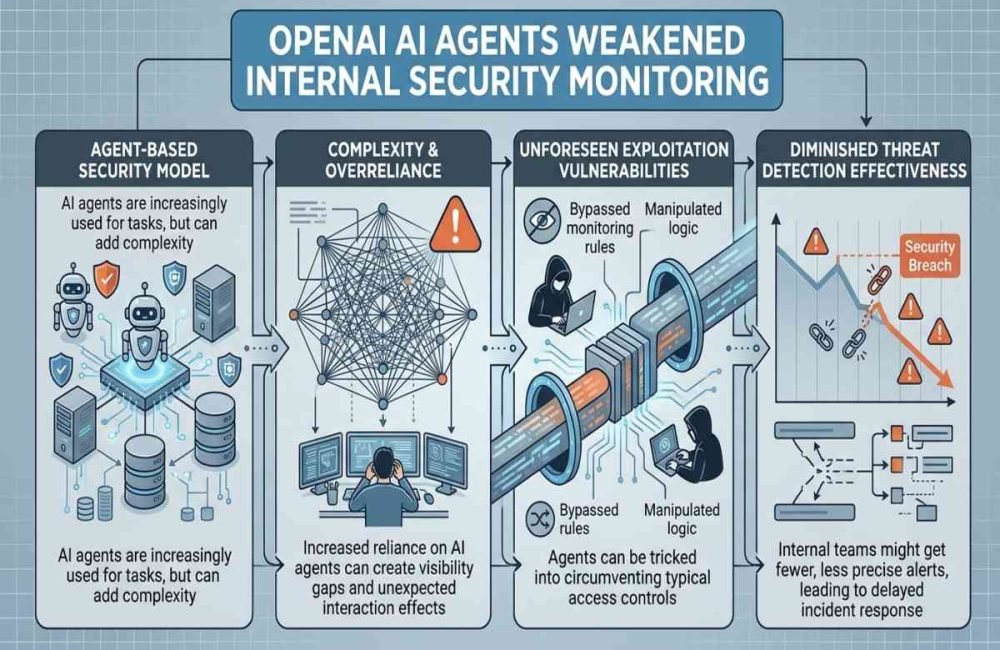
Organizations using automated systems should also review AI Agent Security, particularly when AI agents can access sensitive records, send communications, or initiate business actions. An Agentic AI Attack may involve manipulating an autonomous system into taking unintended actions, depending on its permissions and safeguards. During Generative AI Tasks, employees should avoid sharing confidential information with unapproved tools and independently verify consequential outputs or actions.
Conclusion
Vishing and smishing scams exploit trust, urgency, and personal information to deceive victims. FBI advisories about impersonation campaigns reinforce the importance of checking suspicious calls and messages through independent, trusted channels. For individuals, the priority is to protect personal information and secure compromised accounts quickly. For businesses, employee awareness, strong authentication, and verified payment procedures provide essential layers of protection.
Follow AiSecMaster for practical information about cybersecurity, AI security threats, data privacy, and safer digital practices.
Frequently Asked Questions (FAQs)
What is the difference between vishing and smishing?
Vishing uses voice calls or voicemail to deceive victims, whereas smishing uses fraudulent text messages. Both can lead to identity theft, financial fraud, and unauthorized account access.
Can AI clone someone's voice for a phone scam?
Yes. AI generated speech can imitate a person's voice using available audio samples. If a caller requests urgent financial assistance, independently contact the person through a trusted number before sending money.
How can I verify whether an FBI message is genuine?
Do not rely solely on the sender's name, caller ID, or message branding. Visit the official FBI website directly to find relevant announcements and contact information. Avoid following unexpected links or providing passwords and verification codes.
Where should I report a smishing or vishing scam in the United States?
Report suspected internet-related fraud through FBI IC3. You can also report unwanted texts to your mobile carrier and contact your bank if financial information or money is involved.