
Supply chain planning is the process of balancing customer demand with inventory, purchasing, production, capacity, transportation, and distribution so a business can deliver products when customers need them. It gives organizations a structured way to anticipate demand, prepare resources, manage constraints, and respond to unexpected changes.
For businesses in the USA, effective supply chain planning can improve visibility across operations while helping teams manage inventory, supplier relationships, production schedules, and fulfillment requirements. This guide explains what supply chain planning is, how the process works, which strategies are commonly used, its major benefits, common mistakes, and how AI and digital security can support modern planning.
What Is Supply Chain Planning?
Supply chain planning is a structured process used to determine what products or materials may be required, how much will be needed, when resources should be available, and how those resources should move through the supply chain. It is an important part of Supply Chain Management, which covers activities such as sourcing, procurement, production, inventory management, warehousing, transportation, logistics, and customer fulfillment.
- What are customers likely to purchase?
- How much inventory is already available?
- Which materials need to be ordered?
- Do suppliers have sufficient capacity?
- Can manufacturing meet expected demand?
- Where should inventory be positioned?
- What risks could prevent customer orders from being fulfilled?
When these questions are considered together, businesses can create a more coordinated view of future operations.
How Does Supply Chain Planning Work?
A typical planning cycle moves from demand information to supply decisions, inventory requirements, production capacity, and distribution. The process should also include continuous review because market conditions and operational constraints can change.
Demand Planning
Demand planning estimates future customer requirements by analyzing historical sales, current orders, seasonality, promotions, market conditions, and other relevant business signals. For example, a retailer may expect increased demand for certain products during the holiday season. That information can influence purchase orders, warehouse capacity, staffing, transportation, and inventory targets.
Supply Planning
After estimating demand, planners determine how the organization can meet those requirements. Supply Planning considers available inventory, suppliers, procurement timelines, manufacturing capacity, transportation, lead times, and operational constraints. A demand forecast may show that 10,000 units are required, but the actual supply plan needs to determine whether those units can realistically be sourced or produced.
Inventory Planning
Inventory planning focuses on maintaining enough stock to support expected demand without creating unnecessary excess inventory. Too little inventory can result in stockouts, delayed customer orders, emergency purchasing, and lost revenue. Too much inventory may tie up capital and increase storage, handling, insurance, and obsolescence costs.
Production and Capacity Planning
Manufacturers must determine whether factories, machines, employees, raw materials, and production lines can support the expected workload.
A forecast can look achievable until a capacity constraint is discovered. A facility may already be operating near its limits, a specialized machine may have limited availability, or an important component may take weeks to arrive.
Distribution Planning
Planning continues after products are manufactured or purchased. Organizations also need to determine where inventory should be stored and how products will reach customers. Distribution planning can involve warehouse locations, transportation capacity, delivery schedules, regional demand, shipping requirements, and fulfillment priorities.
Review, Collaboration, and Adjustment
Supply Chain planning should be treated as a continuous business process rather than a one-time activity. Sales changes, supplier delays, new customer contracts, promotions, production problems, weather events, and other disruptions can make an earlier plan outdated. Regular planning reviews allow teams to compare actual performance with forecasts and adjust their assumptions before small problems become larger disruptions.
Key Supply Chain Planning Strategies
A strong planning process depends on reliable data, cross-functional collaboration, scenario analysis, and clearly defined decision rules.
Build a Reliable Data Foundation
Planning depends heavily on the quality of its inputs. Inconsistent product records, inaccurate inventory levels, outdated supplier lead times, or disconnected sales data can undermine even advanced planning systems.
Organizations should establish consistent definitions for products, locations, suppliers, inventory status, lead times, and planning periods. A shared data foundation also makes it easier for different departments to work from the same assumptions.
Combine Forecasting With Human Judgment
Forecasting tools can identify patterns in historical information, but planners still need to understand unusual business conditions. For example, a new product may have limited historical data. A major customer contract may create demand that did not exist in previous years. A temporary promotion may also produce an unusual sales spike. Human review helps planners distinguish normal demand patterns from special circumstances.
Use Scenario Planning
Scenario planning allows businesses to test different possible situations before committing to major operational decisions.
Scenario A: Customer demand increases unexpectedly.
Scenario B: A critical supplier experiences a significant delay.
Scenario C: Transportation capacity becomes limited.
Scenario D: A new product launch is postponed.
Scenario E: A key facility temporarily operates below normal capacity.
Comparing scenarios helps teams understand potential consequences and prepare response plans.
Connect Supply Planning With Financial Objectives
Supply chain decisions can directly affect cash flow, inventory investment, margins, and customer service. A plan that maximizes product availability may require more inventory investment. A plan that minimizes inventory may increase the risk of shortages.

How AI Is Changing Supply Chain Planning
AI can assist with demand forecasting, anomaly detection, pattern recognition, scenario analysis, inventory recommendations, and decision support. An AI Supply Chain platform may process information from sales, inventory, suppliers, logistics, and other operational systems to identify relationships that would be difficult to review manually. For example, an AI-supported planning system could identify an unusual change in demand and notify planners before the difference becomes significant enough to create an inventory problem.
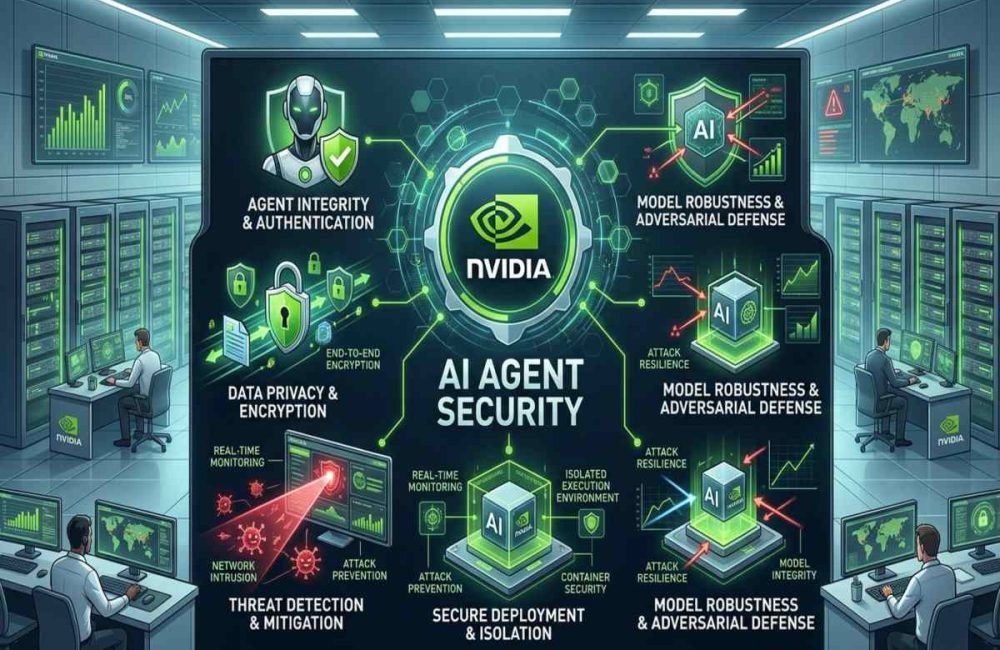
Security is especially important when intelligent systems connect to enterprise applications and sensitive business data. AI data protection, AI privacy, and LLM Security can become relevant when organizations use generative AI assistants, AI agents, or large language models inside supply chain workflows. AI adoption should therefore be considered from both an operational and security perspective. An efficient planning system still needs appropriate protection against unauthorized access, manipulated data, unsafe integrations, and inappropriate automated actions.
Benefits of Effective Supply Chain Planning
A well designed supply chain planning process can improve several areas of business performance.
Better Inventory Balance
Planning helps businesses estimate inventory needs and reduce the risk of holding unnecessary quantities while maintaining appropriate availability.
Improved Customer Service
More accurate planning can help organizations prepare supply before demand occurs, reducing the likelihood of stockouts and delayed fulfillment.
Stronger Resource Utilization
Production capacity, warehouse space, transportation, procurement resources, and labor can be coordinated more effectively when demand and supply plans are connected.
Faster Response to Change
Organizations with structured Supply Chain Planning can adapt quickly to demand changes, supplier delays, and disruptions while improving Supply Chain Management and secure operations with AiSecMaster.
Better Cross Functional Alignment
Supply chain decisions often involve sales, finance, procurement, manufacturing, logistics, and operations. A shared planning process creates a common framework for discussing priorities and trade-offs.
Greater Supply Chain Visibility
Centralized planning information can help teams understand where inventory exists, what is being purchased, what is being produced, and which constraints may affect customer fulfillment.
Common Supply Chain Planning Mistakes
One of the biggest planning problems is relying on inaccurate or outdated data. A forecast is only as useful as the information supporting it. Another common issue is departmental silos. If sales changes its demand expectations but procurement and manufacturing are not informed, the existing plan may quickly become unrealistic. Organizations can also react too aggressively to short-term fluctuations. A single unusual order does not necessarily mean that a permanent increase in demand exists.
Technology-related mistakes can create additional risks. Businesses may introduce AI or automation without clearly defining permissions, review requirements, monitoring, and accountability. When an AI-enabled planning system can access sensitive information or perform actions in connected systems, security for the system should be considered from the beginning rather than after deployment.
Supply Chain Planning and Cybersecurity
Traditional supply chain planning focuses primarily on demand, supply, inventory, capacity, and logistics. Modern planning environments increasingly depend on cloud platforms, APIs, connected suppliers, enterprise software, automation, and AI. Organizations using AI should additionally consider AI-specific threats. Depending on the implementation, relevant concerns may include prompt injection, sensitive information exposure, excessive permissions, malicious inputs, and unauthorized tool use.
The OWASP LLM Security Risks framework can help teams understand security concerns associated with large language model applications. It should complement and not replace traditional application security, identity management, monitoring, and supply chain controls.
Practical Supply Chain Planning Checklist
Use this Cybersecurity Checklist when digital platforms or AI systems are part of the planning environment:
- Validate demand, inventory, supplier, and lead time data regularly.
- Define who can create, change, and approve planning decisions.
- Review user permissions, APIs, integrations, and connected applications.
- Protect credentials, financial information, supplier data, and customer information.
- Monitor unusual account activity and automated system changes.
- Review important AI-generated recommendations before high-impact actions.
- Test security controls and business continuity procedures.
- Maintain contingency plans for supplier, technology, and transportation disruptions.
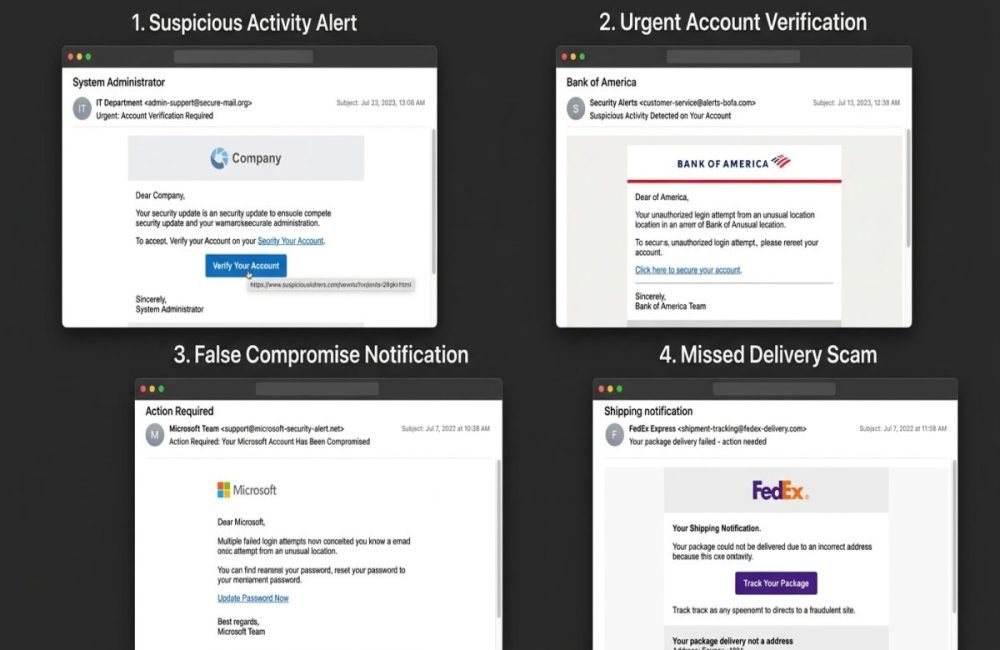
Employee security awareness also matters. AI Security and phishing awareness can help reduce the risk of compromised credentials being used to enter business systems.

Conclusion
Supply Chain Planning provides a structured way to connect customer demand with supply, inventory, production, procurement, and distribution decisions. Instead of treating each activity separately, organizations can use an integrated planning process to understand constraints, manage trade-offs, and prepare for change.
The strongest planning strategies combine reliable data, forecasting, human judgment, scenario analysis, cross-functional collaboration, and continuous review. As AI becomes more involved in forecasting and decision support, organizations should also consider privacy, cybersecurity, permissions, monitoring, and human oversight.
Frequently Asked Questions (FAQs)
What is supply chain planning?
Supply chain planning is the process of coordinating demand, supply, inventory, production, capacity, procurement, and distribution to help an organization meet customer requirements efficiently.
What are the main types of supply chain planning?
The major areas include demand planning, supply planning, inventory planning, production planning, distribution planning, and Sales and Operations Planning, commonly called S&OP.
How does AI support supply chain planning?
AI can assist with forecasting, pattern recognition, anomaly detection, scenario analysis, and decision support. Human oversight remains important for significant operational decisions.
Why is inventory planning important?
Inventory planning helps businesses maintain sufficient stock for customer needs while managing the costs and risks associated with excessive inventory.
Can small businesses use supply chain planning?
Yes. Small businesses can apply the same fundamental principles even when they use simpler tools. Monitoring demand, inventory, supplier lead times, purchasing requirements, and capacity can improve operational visibility.
Why is cybersecurity relevant to modern supply chain planning?
Planning systems may connect with enterprise software, cloud services, suppliers, APIs, and AI applications. Protecting those systems can reduce the risk of unauthorized access, manipulated data, and unsafe automated actions.




One Response