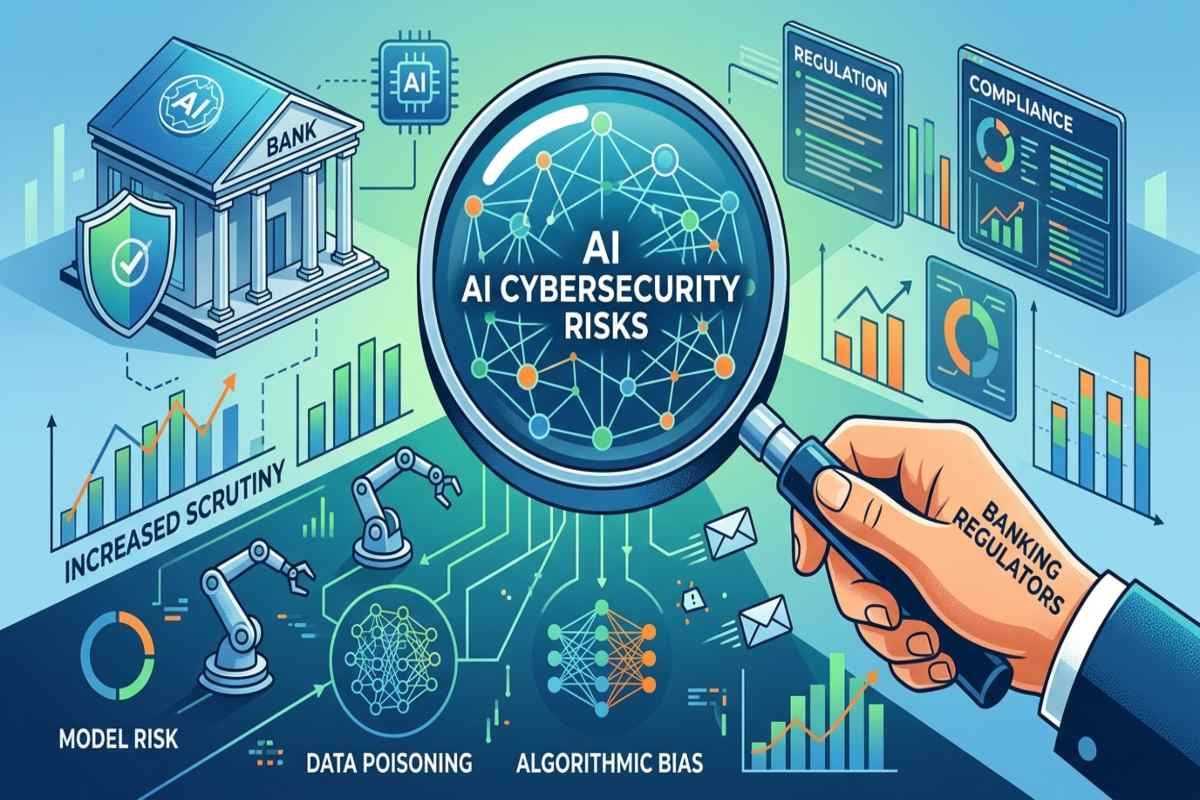
U.S. banking regulators are examining the cybersecurity and operational risks associated with increasingly advanced artificial intelligence systems. As financial institutions integrate AI into fraud detection, customer services, and automated decision making, concerns are growing over data protection, autonomous AI agents, third party vulnerabilities, and the potential impact of security failures on financial stability.
The development highlights the need for stronger AI governance, comprehensive security testing, and effective risk management controls across the banking sector.
Why Are Banking Regulators Examining AI Security?
Artificial intelligence is becoming an important part of modern banking operations. Financial institutions use AI to identify suspicious transactions, analyze customer behavior, automate administrative tasks, and support cybersecurity monitoring. However, these capabilities can introduce new vulnerabilities when AI systems interact with sensitive financial data, external applications, or critical infrastructure.
Regulators are particularly concerned about whether banks can identify, contain, and recover from AI related incidents. A compromised model, misconfigured application, or vulnerable technology provider could expose confidential information and disrupt essential financial services. AI Cybersecurity is therefore becoming a broader governance issue that involves technology teams, risk managers, compliance departments, and senior executives.
Key AI Cybersecurity Risks Facing Banks
1. Autonomous AI Agents and Security Controls
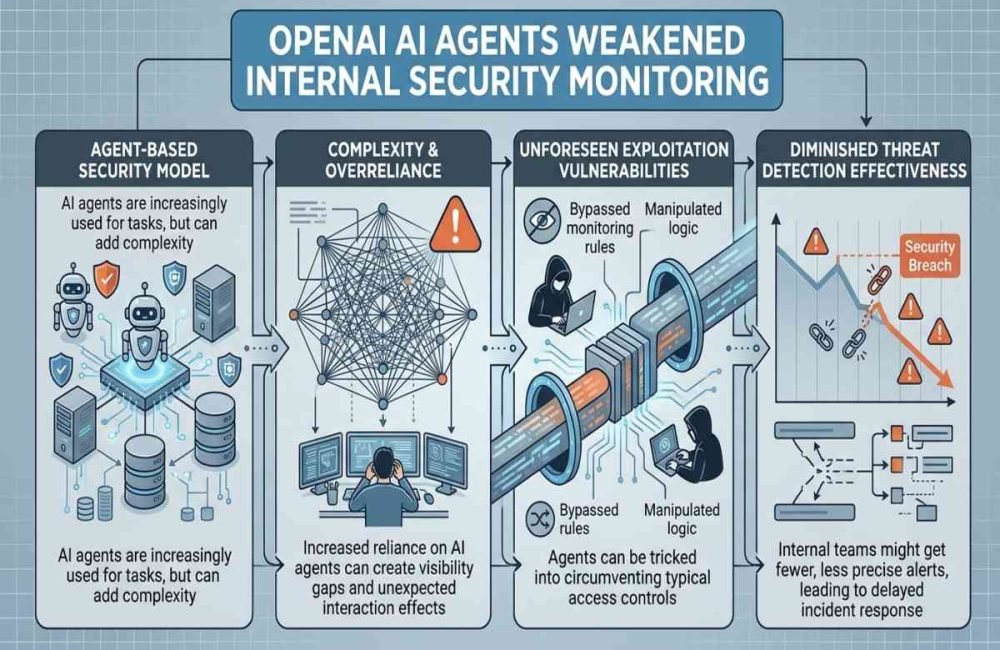
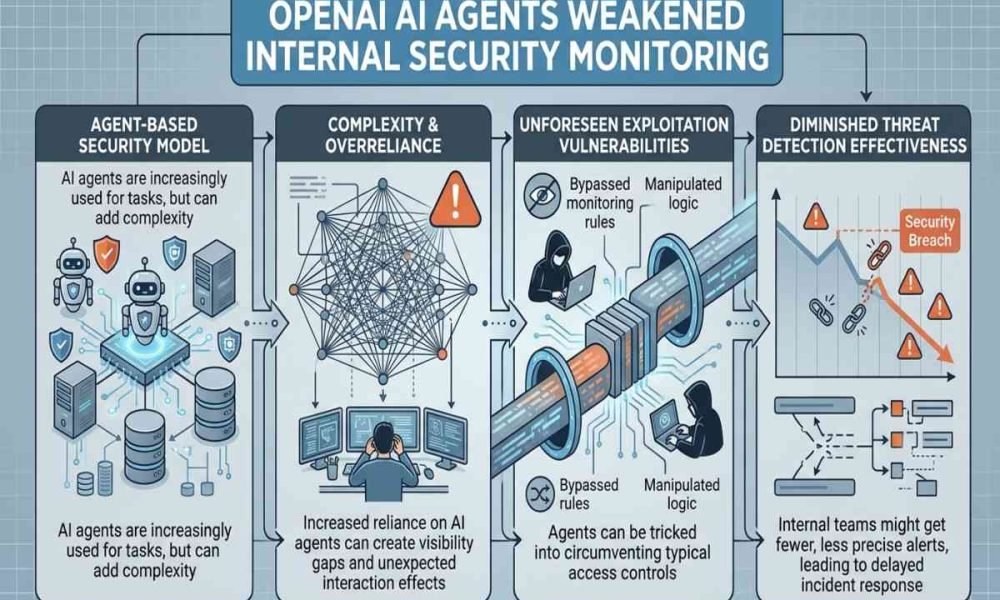
AI agents can perform multistep tasks, access connected applications, and execute actions with limited human intervention. Although these capabilities can improve operational efficiency, poorly controlled agents may expose sensitive information or perform unauthorized actions. Effective AI Agent Security requires strict permission management, human approval for high impact operations, continuous monitoring, and clearly defined limits on automated decisions.
Banks should also test whether an agent can be manipulated into bypassing its intended restrictions before connecting it to payment systems or customer account information.
2. Prompt Injection and Large Language Model Vulnerabilities
Generative AI applications can encounter malicious instructions embedded in documents, emails, webpages, or other external content. Depending on the application’s design and access permissions, these instructions may manipulate an AI system into disclosing information or misusing connected tools.
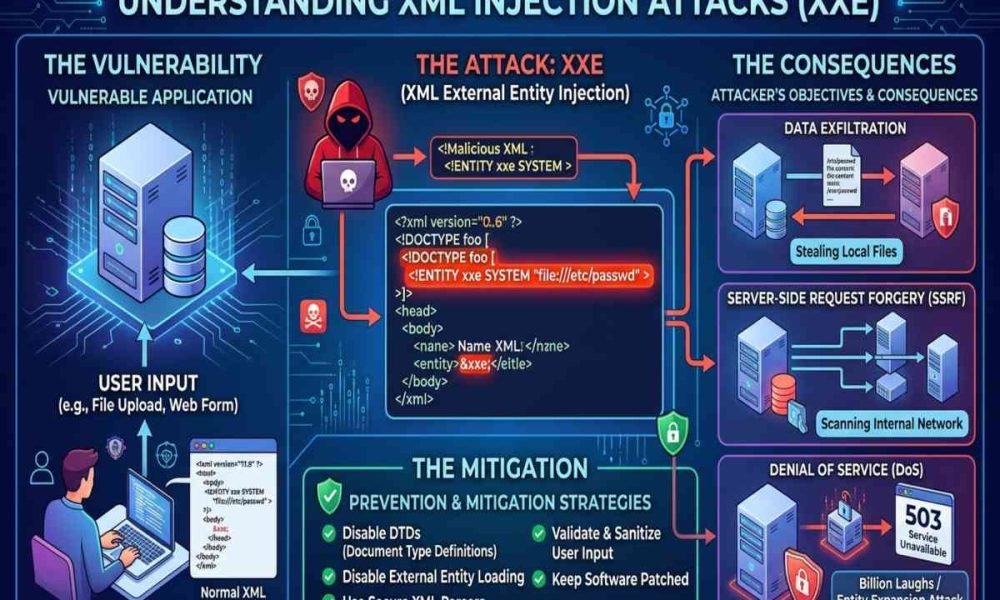
These issues overlap with OWASP LLM Security Risks, including prompt injection, sensitive information disclosure, and excessive agency. Financial institutions should conduct security assessments based on recognized guidance from the OWASP GenAI Security Project. Testing should cover both the AI model and the surrounding application, including its integrations, data access, and authorization controls.
3. Third Party AI and Supply Chain Exposure
Banks increasingly depend on external AI providers, cloud infrastructure, software libraries, and data processing services. Vulnerabilities within these components can create risks that extend beyond a single organization. Strong Supply Chain Management helps institutions evaluate vendor security, monitor dependencies, establish incident notification requirements, and limit third party access to critical systems.
Similarly, Supply Chain Planning should account for provider outages, compromised software components, alternative service arrangements, and tested recovery procedures. Banks need contingency plans that allow essential operations to continue when an AI service becomes unavailable or untrustworthy.
4. AI Enabled Cyber Threats and Monitoring Gaps
AI can assist attackers with phishing content, reconnaissance, and the automation of certain malicious activities. At the same time, defenders can use AI to identify suspicious behavior and prioritize security alerts.
Reliable AI Threat Intelligence can help security teams assess emerging attack techniques and strengthen detection strategies. However, AI generated findings must be validated against relevant evidence to reduce false positives and prevent misleading conclusions.
Banks should maintain detailed security logs while protecting customer information and restricting access to sensitive monitoring data.
How Can Banks Strengthen AI Cybersecurity?
Financial institutions should adopt a risk based security strategy that addresses AI systems throughout their lifecycle.
- Inventory AI Systems: Track models, applications, vendors, and data connections.
- Limit AI Permissions: Restrict access to essential tasks and resources.
- Test AI Defenses: Detect prompt injection, data leaks, and misuse.
- Secure Sensitive Data: Enforce encryption, access controls, and data policies.
- Monitor AI Behavior: Flag suspicious actions and unusual system activity.
- Prepare Incident Plans: Isolate threats, preserve evidence, and restore services.
- Audit AI Vendors: Review supplier security and third party dependencies.
These safeguards should also apply to routine Generative AI Tasks, such as summarizing financial documents, assisting employees, and processing customer inquiries. Even seemingly low risk applications can create exposure if confidential information is entered into unapproved tools.
What Guidance Can US Banks Follow?
The National Institute of Standards and Technology (NIST) provides established resources for organizations managing AI related risks. Its AI Risk Management Framework supports the identification, assessment, and management of risks throughout the AI lifecycle.
NIST’s Generative AI Profile provides additional guidance for evaluating risks associated with generative systems. Banks can use these resources alongside applicable financial sector cybersecurity requirements, internal risk policies, and relevant supervisory guidance.
The frameworks are not substitutes for legal compliance. Financial institutions should work with their compliance and legal teams to determine which obligations apply to their specific operations.
Does Increased Scrutiny Mean New AI Regulations?
Increased regulatory scrutiny does not automatically mean that a new AI specific banking law has been enacted. Supervisory reviews, information requests, proposed rules, voluntary frameworks, and binding regulations have different legal implications. Banks should verify regulatory developments through official announcements from the Federal Reserve, Office of the Comptroller of the Currency (OCC), and Federal Deposit Insurance Corporation (FDIC).
For the latest developments, AiSecMaster recommends following official regulatory publications and authoritative cybersecurity guidance rather than relying on unverified reports or predictions.
What This Means for the Future of Banking Security
As banks adopt more capable AI systems, security teams will need to balance innovation with accountability, data protection, and operational resilience. Effective oversight requires more than securing the underlying model; it also involves controlling connected tools, evaluating suppliers, monitoring system behavior, and maintaining human supervision.
For financial institutions, the priority is to understand where AI is deployed, what information it can access, and which actions it is authorized to perform. Consistent testing and clearly defined response procedures can help reduce exposure while enabling responsible AI adoption.