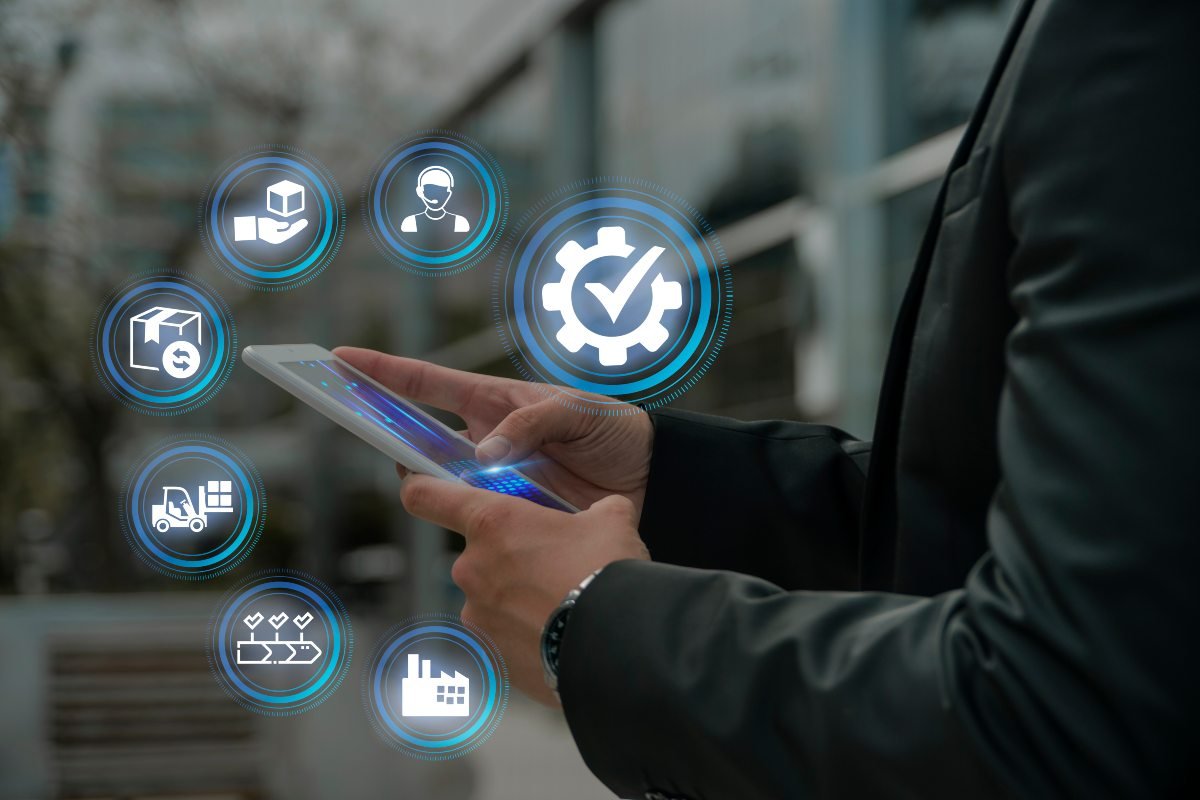
Supply Chain Management (SCM) is the coordinated process of planning, sourcing, producing, storing, delivering, and managing products or services from suppliers to customers. Effective supply chain management helps organizations control costs, improve efficiency, reduce delays, manage risk, and deliver consistent customer value.
For modern organizations, SCM is no longer limited to physical products. Digital services, software dependencies, cloud platforms, data providers, AI systems, and third-party vendors can also become part of the supply chain. This makes visibility, cybersecurity, and AI data protection increasingly important. In this guide, AiSecMaster explains the supply chain management process, major types, benefits, challenges, and practical security considerations.
What Is Supply Chain Management?
Supply Chain Management is the structured coordination of organizations, people, processes, technology, information, and resources involved in delivering a product or service. A supply chain can begin with raw materials and end with a customer receiving a finished product. In a digital environment, the same concept can include cloud services, application components, APIs, software libraries, AI models, datasets, and external technology providers.
NIST describes cybersecurity supply chain risk management as a way to identify, assess, and mitigate cybersecurity risks throughout the supply chain. Its guidance emphasizes that organizations need visibility into how acquired technology is developed, integrated, and deployed.
How Does the Supply Chain Management Process Work?
A typical supply chain management process contains several connected stages. Although organizations may use different terminology, the following framework provides a practical view.
Planning
Planning determines what an organization needs, when it needs it, and how resources should be allocated. Businesses analyze customer demand, inventory levels, production capacity, supplier availability, transportation requirements, and expected costs. Good planning reduces both shortages and unnecessary inventory.
Technology also plays an important role. Organizations may use forecasting systems, analytics platforms, ERP software, and AI Supply Chain tools to identify patterns and support planning decisions.
Sourcing
Sourcing involves selecting suppliers and obtaining the materials, products, services, or technology required by the organization. Supplier evaluation should consider more than price. Organizations may assess reliability, quality, delivery performance, financial stability, regulatory requirements, cybersecurity practices, and business continuity.
- How is sensitive information protected?
- What security controls are used?
- How are vulnerabilities reported?
- What third parties does the supplier depend on?
- How quickly are security issues remediated?
- What happens if the supplier experiences an incident?
Production and Operations
This stage converts resources into finished products or deliverable services. For manufacturers, it can include production scheduling, quality control, equipment management, and workforce coordination. For technology organizations, it may involve software development, model development, testing, deployment, and maintenance. Security should be incorporated into these processes rather than added only after production is complete.
Inventory and Warehousing
Inventory management ensures that organizations have sufficient stock without unnecessarily tying up capital. Businesses monitor incoming materials, available inventory, storage capacity, product movement, and reorder requirements.
Digital inventory systems also create security considerations. Unauthorized access, manipulated records, compromised accounts, or unavailable systems can disrupt operations even when the physical inventory itself is secure.
Transportation and Distribution
Distribution moves products or services from production locations to customers, stores, distributors, or other destinations. This stage includes logistics planning, shipping, tracking, delivery coordination, and documentation.
Organizations increasingly depend on connected platforms and external logistics providers. Consequently, security for system access, APIs, accounts, and business data should be included in supplier and logistics risk assessments.
Returns and Continuous Improvement
Reverse logistics manages returned products, repairs, replacements, recycling, disposal, and related customer processes.
The final stage should also generate feedback. Organizations can use delivery data, customer complaints, supplier performance, security incidents, and operational metrics to improve the entire supply chain.
What Are the Main Types of Supply Chain Management?
Supply chain management can be categorized in different ways depending on business objectives and operating models.
Traditional Supply Chain Management
By improving supply chain planning, inventory control, and logistics management, businesses can reduce delays, manage costs, and maintain a reliable flow of goods. At AiSecMaster, understanding traditional SCM also helps explain how modern technologies, including AI-driven supply chain security, can protect supply chain operations from cyber threats and improve overall efficiency.
Lean Supply Chain Management
Lean SCM focuses on reducing unnecessary activities, waste, delays, excess inventory, and inefficient processes. The objective is to create more value while using fewer resources.
Agile Supply Chain Management
Agile supply chains are designed to respond quickly to changing customer demand, market conditions, supply disruptions, or product requirements. Agility can be especially valuable in industries where demand changes rapidly.
Digital Supply Chain Management
Digital SCM uses technologies such as cloud platforms, analytics, IoT devices, automation, APIs, and artificial intelligence to improve visibility and decision-making.
AI can help identify demand patterns, automate repetitive processes, detect anomalies, and support forecasting. However, organizations should evaluate the security and reliability of the technology and data supporting these systems.
Sustainable Supply Chain Management
Sustainable SCM considers environmental and social factors alongside traditional cost and efficiency measures. Organizations may evaluate material sourcing, transportation emissions, packaging, waste, supplier practices, and product lifecycle management.
Why Is Supply Chain Management Important?
A well managed supply chain connects operational efficiency with business resilience.
Better Cost Control
Organizations can identify unnecessary inventory, inefficient transportation, procurement problems, and process bottlenecks.
Improved Customer Service
Reliable sourcing, inventory management, and distribution can help businesses provide products and services when customers expect them.
Greater Visibility
SCM provides a structured view of suppliers, inventory, logistics, production, and dependencies. Better visibility can make problems easier to identify before they become major disruptions.
Stronger Risk Management
Supply chains can be affected by supplier failures, cyber incidents, natural disasters, transportation problems, regulatory changes, or technology failures. NIST recommends integrating cybersecurity supply chain risk management into broader organizational risk management rather than treating supply chain security as an isolated activity.
Better Decision Making
Accurate supply chain data can support forecasting, supplier evaluation, inventory decisions, and operational planning.

Supply Chain Management and Cybersecurity
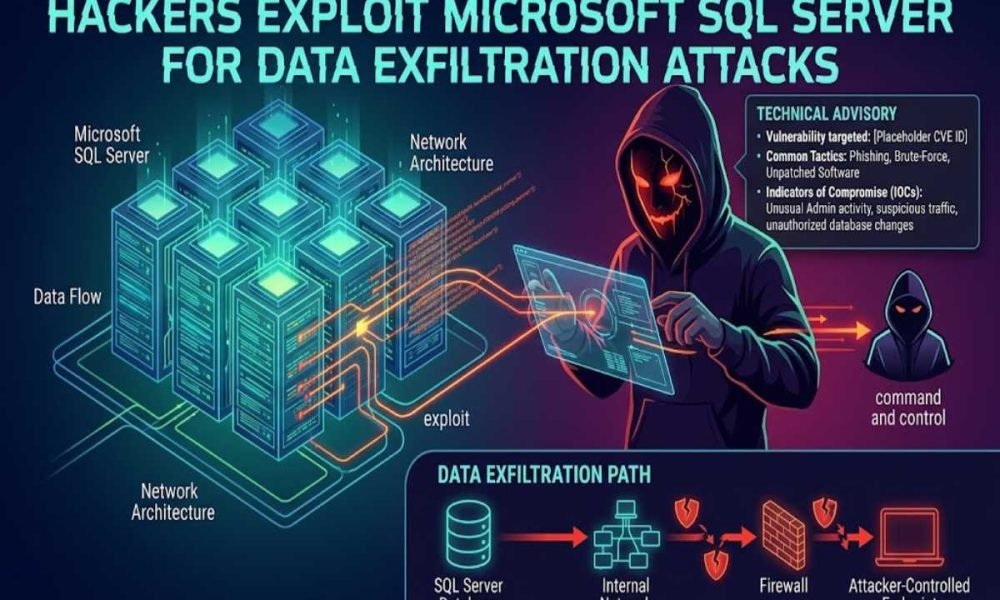
Modern supply chains are increasingly digital, which means a security weakness at one organization can create risk for another. Software dependencies, cloud providers, APIs, third-party applications, managed services, and data providers can all become part of an organization’s technology supply chain.
CISA guidance emphasizes security throughout software supply chain development, production, distribution, and management processes.
- Vendor security assessments
- Access control and least privilege
- Vulnerability management
- Security monitoring
- Incident response procedures
- Software dependency management
- Data protection
- Business continuity
- Supplier security requirements
Using security scanners can help identify vulnerabilities in software, dependencies, configurations, or infrastructure, but automated scanning should complement not replace risk assessment and human review.
AI Supply Chains and LLM Security
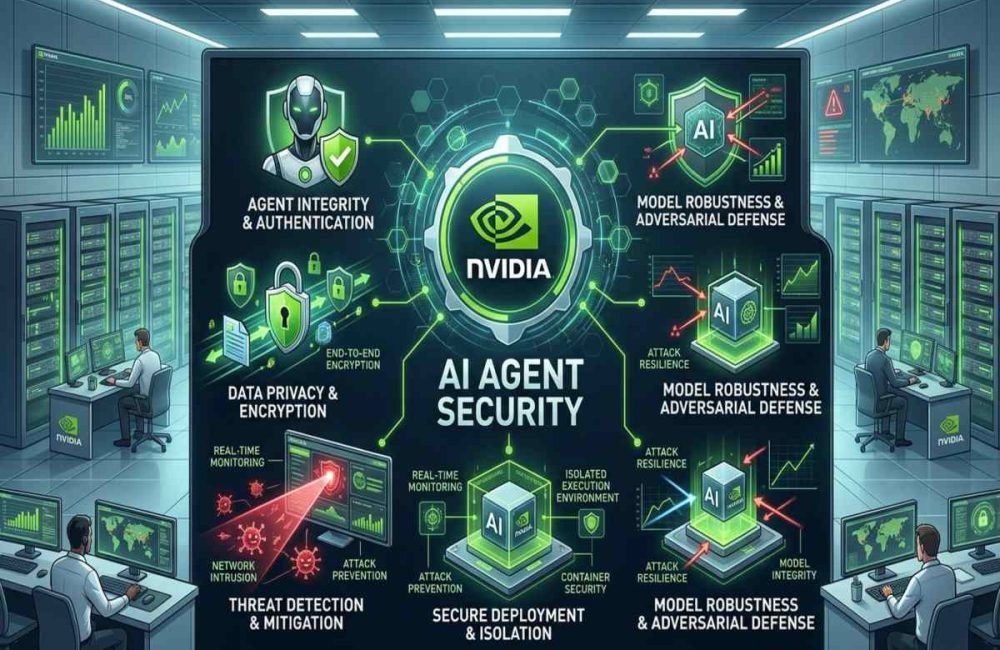
Artificial Intelligence introduces another layer of supply chain risk. An AI system may depend on external datasets, pretrained models, model repositories, cloud infrastructure, plugins, APIs, libraries, or third-party applications. A weakness in one component can potentially affect the security or reliability of the wider AI application.
OWASP’s 2025 Top 10 for LLM and Generative AI Applications identifies supply chain vulnerabilities as LLM03:2025 Supply Chain. The project notes that AI supply chain risks can involve third-party models, training data, fine-tuning components, and deployment platforms. This makes LLM Security relevant to organizations adopting AI-enabled supply chains. Security teams should consider risks such as:
- Malicious or compromised dependencies
- Data poisoning
- Tampered models
- Untrusted model repositories
- Vulnerable APIs
- Excessive permissions
- Prompt injection
- Sensitive data exposure
NIST’s Generative AI Profile also provides a risk management framework for organizations developing and using generative AI systems.
How to Secure a Modern Supply Chain
A practical approach is to create security controls around the entire lifecycle.
Step 1: Map Dependencies
Identify important suppliers, software components, cloud services, datasets, APIs, AI models, and other external dependencies.
Step 2: Assess Third Party Risk
Evaluate suppliers based on the sensitivity of the service and the potential business impact of a failure or compromise.
Step 3: Protect Data
Apply appropriate access controls, encryption, retention policies, monitoring, and privacy safeguards. When AI systems process business or customer information, AI Privacy and AI data protection should be considered during system design.
Step 4: Monitor Continuously
Supplier risk does not end after procurement. Monitor vulnerabilities, security events, service changes, and changes in supplier dependencies.
Step 5: Prepare for Incidents
Define what happens if a critical supplier is compromised. Organizations should know who will respond, which systems can be isolated, how communication will occur, and how operations can continue.
Supply Chain Security Checklist
Use this practical AI Cybersecurity when reviewing a digital or technology supply chain:
- Identify critical suppliers and dependencies.
- Classify sensitive data handled by third parties.
- Review supplier security controls.
- Apply least privilege access.
- Monitor important accounts and integrations.
- Maintain software and dependency inventories.
- Use appropriate security scanners.
- Review AI models and datasets before deployment.
- Test for prompt injection where AI is involved.
- Establish vulnerability reporting procedures.
- Maintain an incident response plan.
- Reassess suppliers when systems or business requirements change.
Common Supply Chain Management Mistakes
One common mistake is focusing only on direct suppliers. Technology dependencies can extend beyond the first tier, making deeper visibility important. Another mistake is selecting vendors primarily on cost. A cheaper supplier can create higher operational or security costs if reliability, data protection, or incident response is inadequate.
Organizations can also make the mistake of treating security as a one-time procurement requirement. Supply chains change continuously, so vendor risk assessments should be updated when products, integrations, permissions, infrastructure, or data flows change.

Conclusion
Supply Chain Management connects planning, sourcing, production, inventory, logistics, delivery, and returns into one coordinated business process. Its value goes beyond reducing costs: effective SCM improves visibility, resilience, customer service, and operational decision-making.
As supply chains become increasingly digital and AI-enabled, organizations also need to consider cybersecurity, third-party dependencies, data protection, and AI-specific threats. For businesses using software, cloud platforms, or AI systems, supply chain management and security should be treated as connected disciplines rather than separate responsibilities.
Frequently Asked Questions (FAQs)
What is supply chain management in simple terms?
Supply chain management is the process of coordinating suppliers, production, inventory, transportation, information, and delivery so that products or services reach customers efficiently and reliably.
What are the five main parts of supply chain management?
Common SCM activities include planning, sourcing, production, delivery, and returns. Organizations may divide these activities differently depending on their industry and operating model.
Why is cybersecurity important in supply chain management?
Modern supply chains depend on software, cloud services, suppliers, APIs, data, and connected systems. A compromise involving one dependency can create operational, financial, privacy, or security risks elsewhere.
What is an AI supply chain?
An AI supply chain is the collection of data, models, software, infrastructure, APIs, vendors, and other components used to build, deploy, and operate an AI system.
How can companies reduce supply chain security risks?
Companies can map dependencies, assess suppliers, limit access, protect sensitive data, monitor critical systems, manage software dependencies, test security controls, and maintain incident response procedures.
What role does AI play in supply chain management?
AI can support forecasting, demand analysis, anomaly detection, inventory planning, route optimization, and decision support. Its reliability depends on the quality, security, governance, and integrity of the data and systems involved.

One Response