
Supply chain management (SCM) is the coordinated process of planning, sourcing, producing, storing, transporting, and delivering products or services to customers. It connects suppliers, manufacturers, warehouses, distributors, retailers, and customers so that goods and information move efficiently from their starting point to the final user.
For U.S. businesses, effective supply chain management can help control costs, improve inventory decisions, respond to demand changes, and reduce operational disruptions. Supply Chain Management becomes important when businesses need to understand how sourcing, production, inventory, transportation, and distribution work together. This guide explains what supply chain management means, how it works, why supply chain planning matters, and how businesses can improve their supply chain operations.
What Is Supply Chain Management?
Supply chain management is the organized management of activities involved in moving products, services, information, and resources through a supply network. A supply chain can begin with raw-material suppliers and continue through manufacturing, warehousing, transportation, distribution, and final delivery. SCM brings these activities together instead of managing each stage as an isolated function.
The goal is not simply to move products faster. Good management for supply chain operations attempts to balance customer expectations, inventory, costs, supplier capabilities, transportation, and business objectives.
How Does Supply Chain Management Work?
SCM works as a connected cycle rather than a single activity. A company first estimates what customers may need, obtains the necessary materials or products, produces or prepares them, stores inventory, and distributes orders.
Demand → Planning → Sourcing → Production → Inventory → Distribution → Customer
Information should also move through the chain. Sales forecasts, inventory levels, supplier schedules, purchase orders, transportation updates, and customer orders can all influence planning decisions.
When information is delayed or inaccurate, one disruption can spread across multiple stages. For example, an unexpected increase in customer demand may cause stock shortages if purchasing and production teams do not receive updated forecasts quickly.
What Are the Main Components of Supply Chain Management?
Several functions work together to keep a supply chain operating effectively.
Demand Planning
Demand planning estimates how much of a product or service customers may require during a future period. Businesses can consider historical sales, market conditions, seasonal patterns, promotions, and other relevant signals. Effective demand planning helps organizations determine how much inventory and production capacity may be needed.
Procurement and Sourcing
Procurement involves obtaining materials, products, equipment, or services from suppliers. Businesses may evaluate suppliers based on price, quality, capacity, delivery performance, location, and reliability. Supplier diversification can also help reduce dependence on a single source when alternative suppliers are practical.
Production Planning
Production planning determines what needs to be manufactured, when it should be produced, and what resources are required. It connects customer demand with manufacturing capacity, workforce availability, equipment, materials, and production schedules.
Inventory Management
Inventory management focuses on maintaining enough stock to meet customer needs without unnecessarily tying up capital in excess inventory. Businesses may monitor reorder points, safety stock, lead times, inventory turnover, and product demand to support better decisions.
Warehousing
Warehouses receive, store, organize, pick, pack, and sometimes process products before they reach customers or other locations. Warehouse performance can affect fulfillment speed. Transportation and Distribution.
Transportation moves products between suppliers, facilities, warehouses, retailers, and customers. Distribution planning considers factors such as delivery requirements, transportation capacity, routes, costs, and expected delivery times.
What Is Supply Chain Planning?
Supply chain planning is the process of determining how an organization will balance expected demand with available supply, inventory, production capacity, materials, and logistics resources.
- How much product might customers need?
- How much inventory is currently available?
- When should additional materials be ordered?
- Can production capacity meet expected demand?
- Where could shortages occur?
- How should inventory be positioned across locations?
Planning becomes particularly important when demand changes quickly, or suppliers have long lead times.
What Is the Supply Chain Planning Process?
The supply chain planning process generally connects demand analysis with supply, inventory, production, and distribution decisions.
Step 1: Analyze Demand
Start by reviewing historical sales and current business information. Identify patterns such as seasonality, promotions, changing customer behavior, and unusual demand fluctuations.
Step 2: Develop a Forecast
Use available information to estimate future demand. Supply chain forecasting does not guarantee what customers will purchase; instead, it provides a planning estimate that can be updated as new information becomes available.
Step 3: Compare Demand With Supply
Organizations then compare expected requirements with available inventory, supplier capacity, production capabilities, and transportation resources.
This step can reveal potential shortages or excess inventory before they become larger operational problems.
Step 4: Create an Action Plan
The organization can adjust purchasing, production, inventory positioning, staffing, or transportation plans according to identified requirements.
Step 5: Monitor and Update
Planning should not end after a forecast is created. Actual sales, supplier performance, inventory movements, and operational changes should be monitored so plans can be revised when conditions change.
Supply Chain Forecasting vs. Demand Planning
The terms supply chain forecasting and demand planning are related but are not identical. Forecasting generally focuses on estimating future demand or supply conditions. Demand planning is broader because it can incorporate forecasts alongside business knowledge, market information, promotional plans, inventory considerations, and operational constraints.
For example, a forecast may estimate that a retailer could sell more products during a holiday period. Demand planning can then use that estimate to determine inventory requirements and coordinate purchasing and distribution.

Why Is Supply Chain Management Important?
Effective SCM can influence several areas of business performance.
Better Inventory Control
Businesses can use planning and demand information to reduce unnecessary inventory while maintaining sufficient stock for expected requirements.
Improved Customer Service
Products that are available when customers need them can support more reliable fulfillment and reduce avoidable delays.
Greater Operational Visibility
When supply chain information is connected, teams can identify supplier delays, inventory changes, and transportation issues earlier.
Better Cost Management
Coordinating purchasing, production, storage, and transportation can help organizations identify avoidable operational costs.
Improved Resilience
Supply chains can face disruptions from supplier problems, transportation delays, demand changes, natural events, technology failures, or other operational issues. What Do You Know About Supply Chain Management becomes especially relevant when organizations need to understand how planning can help identify risks and prepare alternative responses. Effective planning helps organizations respond proactively instead of reacting only after a disruption occurs.
What Is Supply Chain Optimization?
Supply chain optimization means improving supply chain decisions and processes so that organizations can achieve operational objectives while balancing constraints such as cost, inventory, capacity, service levels, and delivery requirements.
Optimization does not always mean choosing the cheapest option. A low-cost supplier may have longer lead times or less flexibility, while a more expensive option may provide faster delivery or greater resilience. A useful optimization approach therefore considers the complete operating picture rather than focusing on a single metric.
How Technology Supports Supply Chain Management
Modern supply chains increasingly rely on digital systems to collect, connect, and analyze operational information. AI can support tasks such as demand forecasting, anomaly detection, inventory analysis, and scenario planning. However, organizations should evaluate data quality, system security, access controls, and human oversight before relying heavily on automated decisions.
- Enterprise resource planning (ERP) systems
- Warehouse management systems
- Transportation management systems
- Inventory management platforms
- Forecasting and planning software
- Data analytics tools
- Internet of Things (IoT) sensors
- Automation and robotics
- Artificial intelligence and machine learning
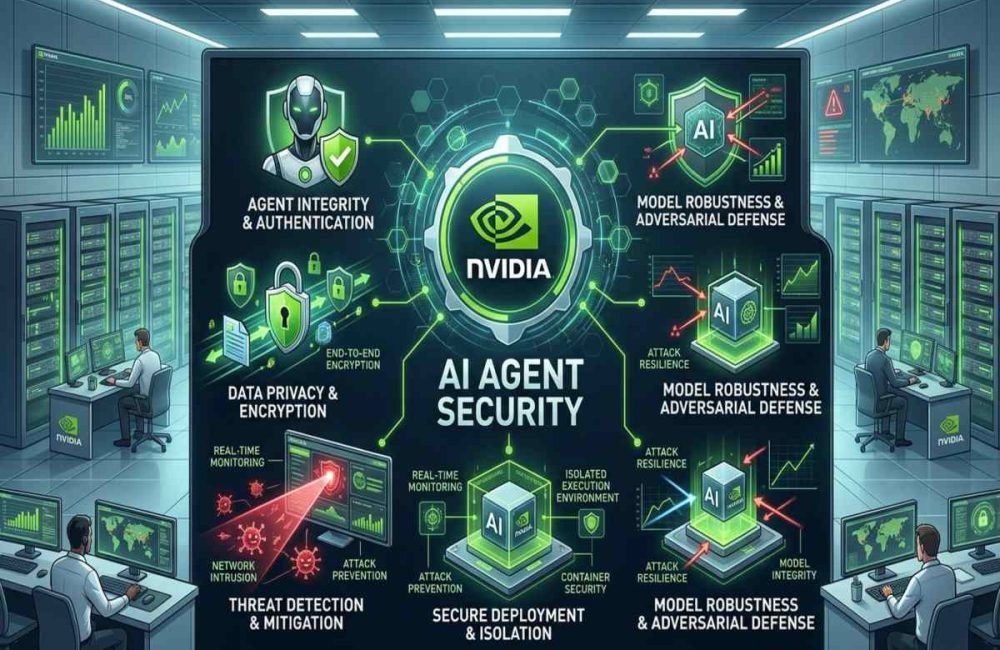
For an AI-focused cybersecurity resource such as AiSecMaster, this also creates an important connection between supply chain operations and security. Connected suppliers, cloud platforms, APIs, applications, and AI systems can introduce additional security dependencies that organizations need to manage.
Supply Chain Management and Security
A supply chain is not only an operational network; it can also be a technology and security network. Third party vendors may have access to business systems, data, applications, APIs, or other resources. If these connections are poorly managed, a weakness at one organization can create risk for another.
- Reviewing third-party access regularly
- Applying least-privilege permissions
- Protecting credentials and API keys
- Monitoring important system activity
- Evaluating supplier security practices
- Segmenting sensitive systems
- Maintaining incident-response procedures
- Reviewing software and technology dependencies
For organizations using AI systems, supplier and technology assessments can also consider AI-specific risks such as data exposure, model dependencies, and unauthorized access.
Common Supply Chain Management Mistakes
Even well established organizations can encounter avoidable problems.
Relying on One Forecast
A forecast is an estimate, not a guarantee. Businesses should monitor actual demand and update planning assumptions when conditions change.
Ignoring Supplier Risk
A low purchase price does not necessarily mean a supplier is the lowest-risk option. Lead times, capacity, quality, geographic concentration, and resilience can also matter.
Managing Departments Separately
Procurement, sales, manufacturing, logistics, and inventory teams can make conflicting decisions when they work from disconnected information. What Do You Know About Supply Chain Management helps highlight why these functions need shared data and coordinated planning to improve visibility, reduce inefficiencies, and support better supply chain decisions.
Using Poor Quality Data
Incorrect inventory counts, outdated supplier information, or inconsistent product data can undermine even sophisticated planning systems.
Focusing Only on Cost
A supply chain optimized around cost alone may become less flexible when disruptions occur. Organizations should consider cost alongside service, resilience, quality, capacity, and risk.
A Practical Supply Chain Planning Checklist
Before finalizing a supply chain plan, organizations can ask:
- Is expected demand based on current information?
- Are inventory levels accurate?
- Are supplier lead times realistic?
- Is production capacity sufficient?
- Are critical suppliers dependent on a single source?
- Are transportation constraints included?
- Are potential shortages identified early?
- Are alternative scenarios available?
- Are important systems and supplier connections secure?
- Is there a process for updating the plan?
This checklist can help turn supply chain planning from a static document into an ongoing management process.

Conclusion
Supply chain management connects the activities required to move products, services, information, and resources from suppliers to customers. Understanding What Do You Know About Supply Chain Management helps explain how organizations coordinate sourcing, production, inventory, warehousing, transportation, demand planning, and information. Its effectiveness depends on how well these activities work together to support reliable and efficient supply chain operations.
Supply chain planning, forecasting, and optimization can help businesses respond to changing requirements rather than relying only on reactive decisions. At the same time, digitally connected supply chains require attention to cybersecurity, third-party access, data protection, and technology dependencies.
Frequently Asked Questions (FAQs)
What is supply chain management in simple terms?
Supply chain management is the coordination of suppliers, purchasing, production, inventory, warehousing, transportation, distribution, and related information to deliver products or services efficiently to customers.
What is the difference between supply chain management and supply chain planning?
Supply chain management covers the broader network and its operations, while supply chain planning focuses on decisions about future demand, supply, inventory, production, and distribution.
Why is supply chain planning important?
Supply chain planning helps businesses prepare for expected demand, identify potential shortages, coordinate resources, and adjust operations when business conditions change.
What does supply chain forecasting mean?
Supply chain forecasting is the process of estimating future demand or supply conditions using available information such as historical data, market signals, seasonality, and business assumptions.
How can technology improve supply chain management?
Technology can connect operational data, improve visibility, automate repetitive tasks, support forecasting, monitor inventory, and help organizations analyze supply chain performance and potential disruptions.